Cart
new
Allen & heath QU-3
- Read reviews (0)
- Related accessories
- Similar products
- Free delivery
- Low prices guaranteed
- Satisfied or refunded
- 3-years warranty
Pre-order
contact us
Stock in store
Not available in store
INFORM ME OF ITS ENTRY IN STOCK
I want to be notified by email
Go
Payez 161.86 € / mois par carte bancaire
- en 3x4x10x12x
- Simuler
-
Apport initial:149.83 €
-
Mensualités:11 x 161.86 €
-
Montant financement:1648.17 €
-
Coût financement:132.29 €
-
Montant total dù:1780.46 €
-
TAEG fixe:16.9 %
Un crédit vous engage et doit être remboursé. Vérifiez vos capacités de remboursement avant de vous engager.
Variation(s) of this product.

The brand Allen & heath
Learn more about the Allen & heath brand and discover the entire catalog.

The largest network of stores in France
Find all the information on our superstores and our specialized boutiques.
Contact an expert
Our musician and enthusiast tele-consultants are here to answer all your questions.
Digital mixing desk
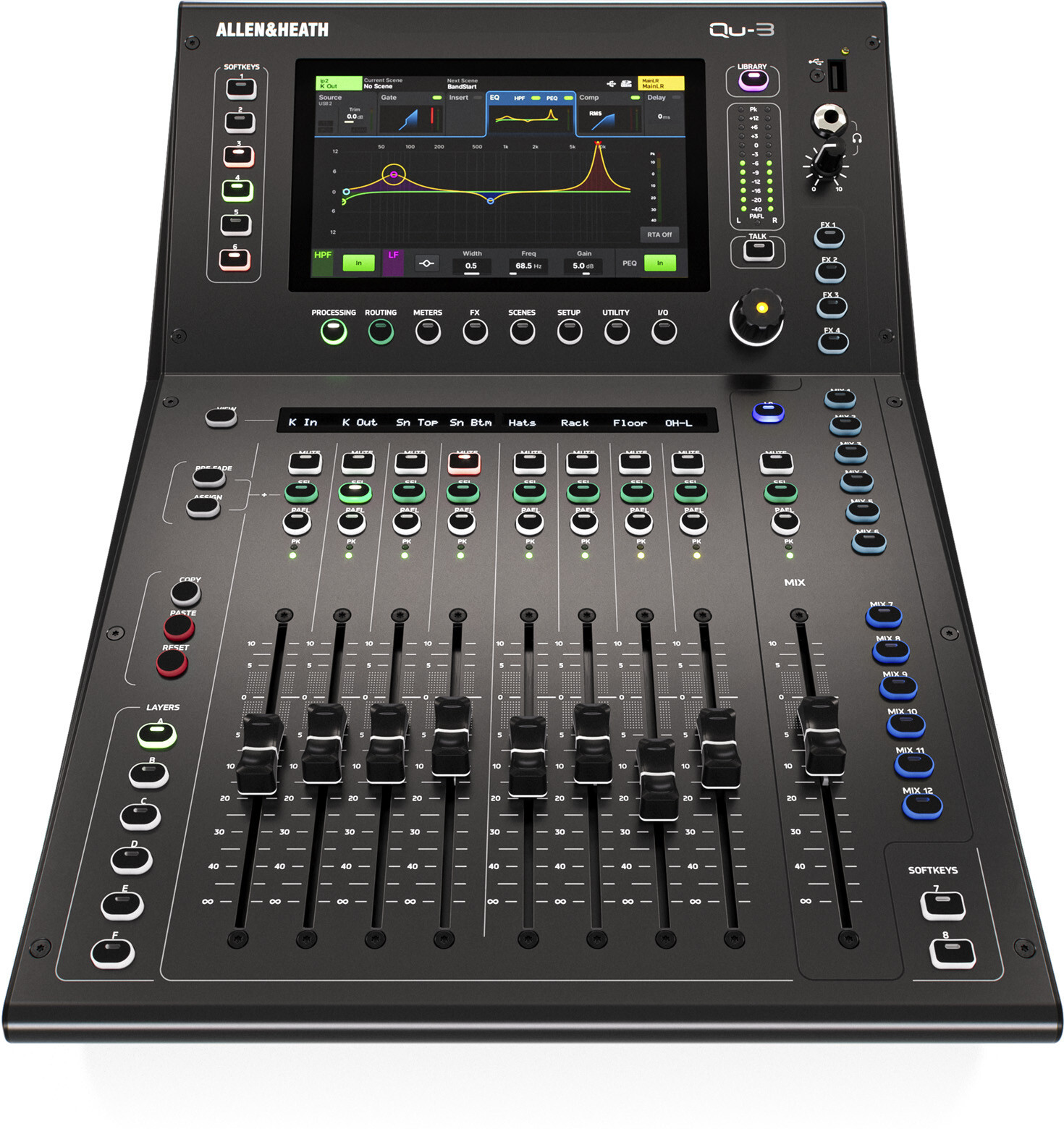
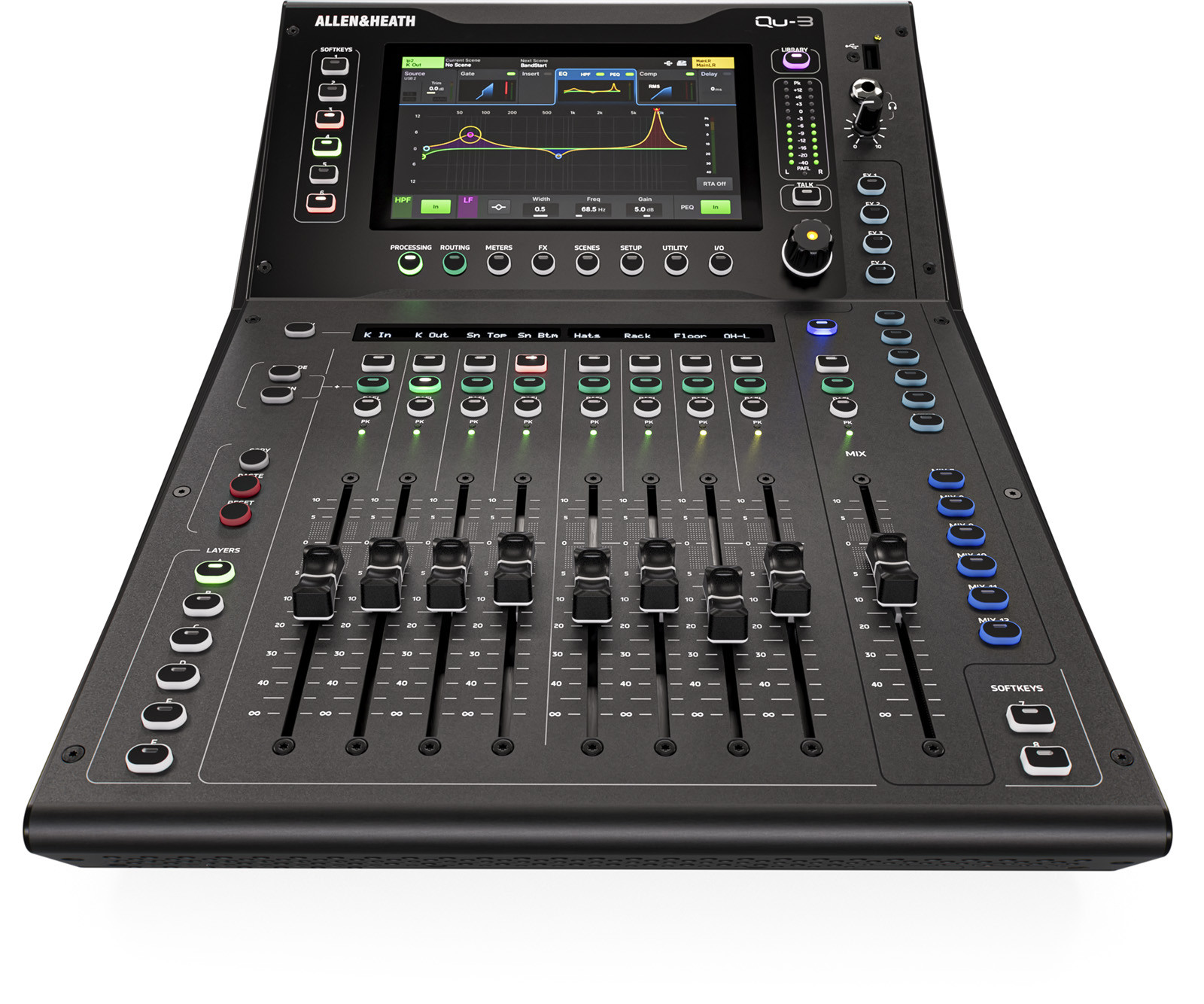
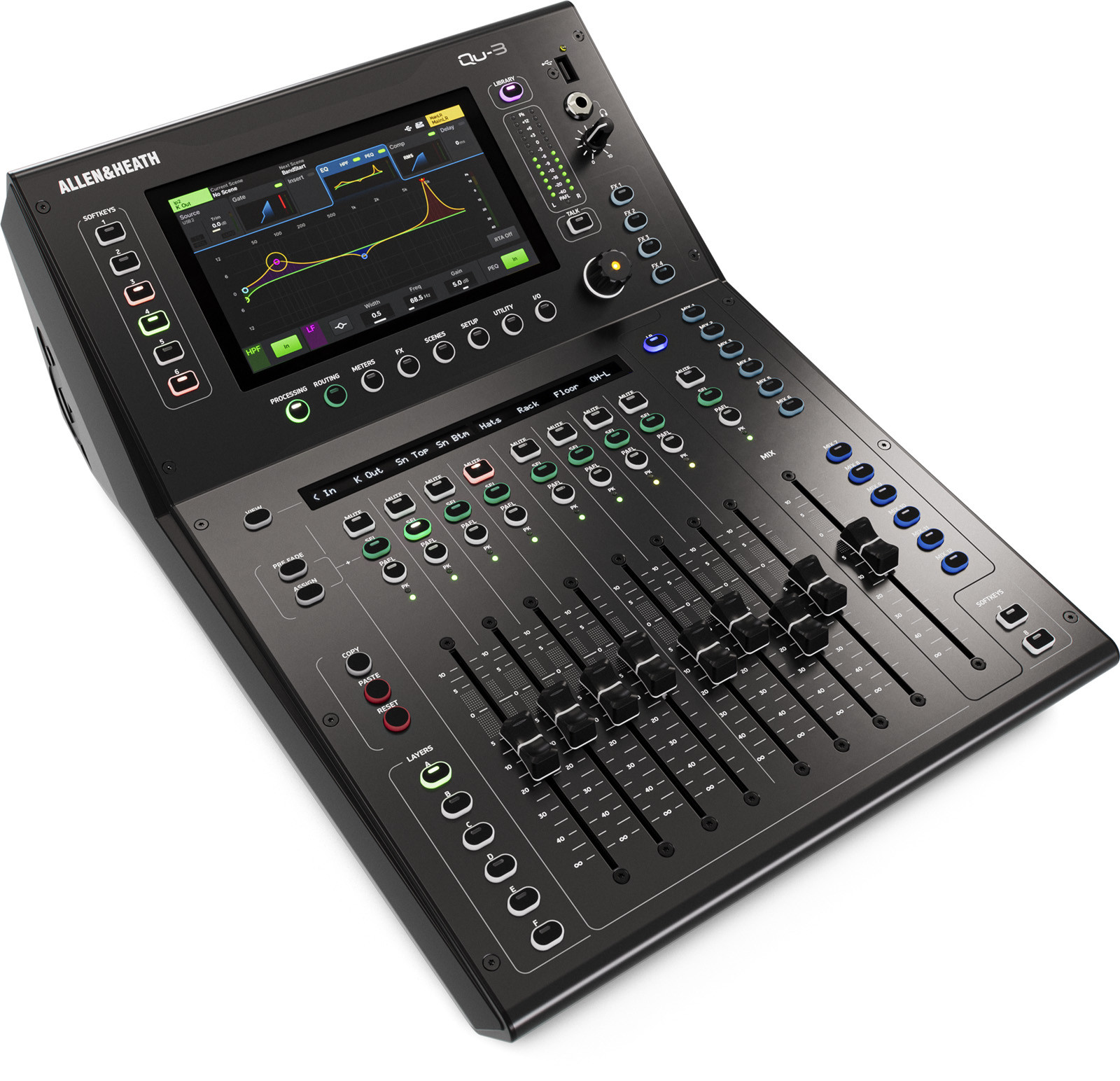
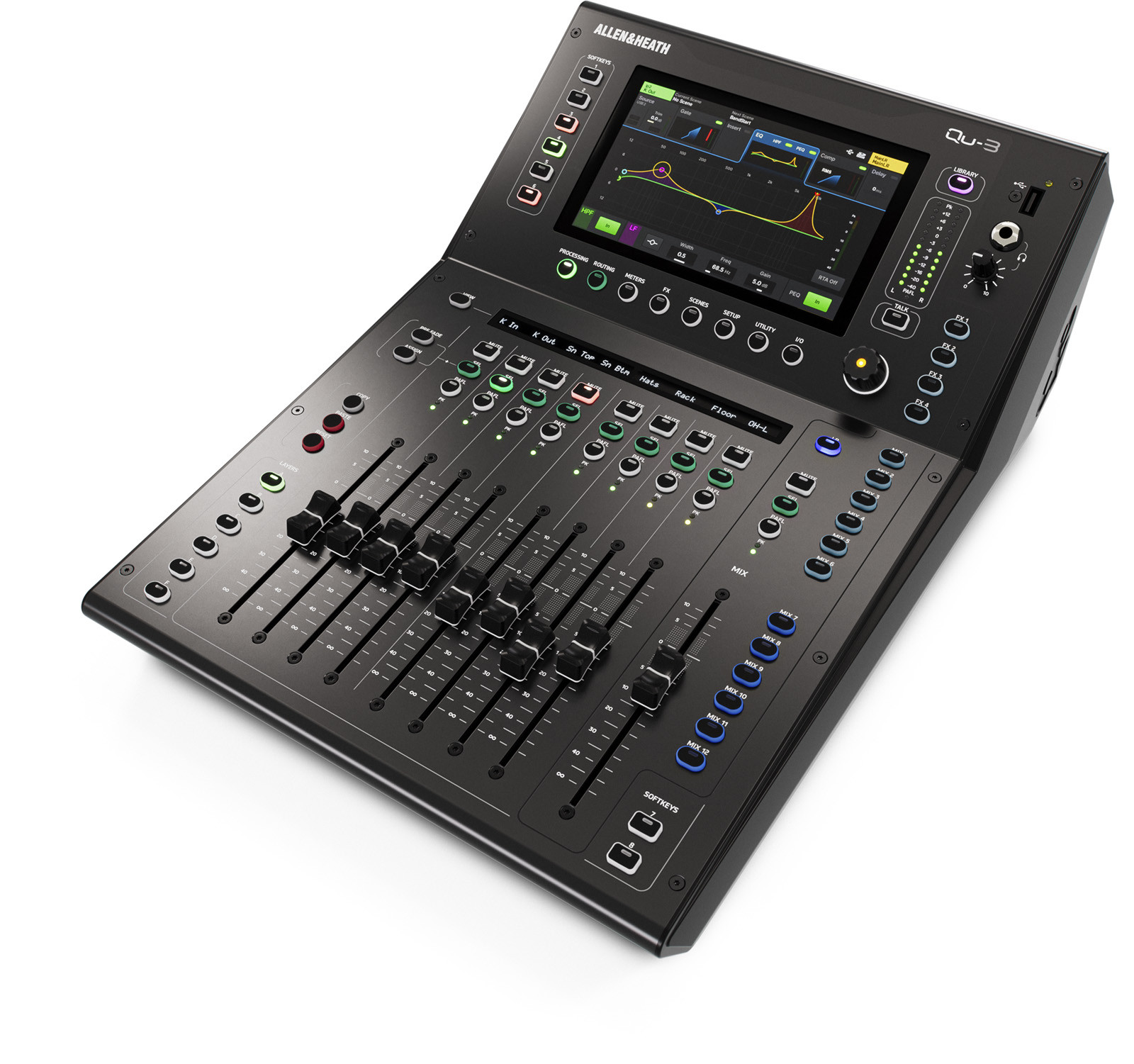
The Allen & Heath Qu-3 is a compact, 96 kHz digital mixing console designed for live sound, audiovisual installations, conferences, and multitrack recording. It features the XCVI engine from the new Qu series with 36 mixing channels, in a desktop format equipped with 9 motorized faders and 6 customizable layers. This architecture allows for the management of complex audio setups while maintaining a compact control surface.
Key Features
- 96 kHz XCVI engine with 32 mono and 2 stereo channels, 12 auxiliary/group mixes, 4 matrices, and 6 built-in effects engines.
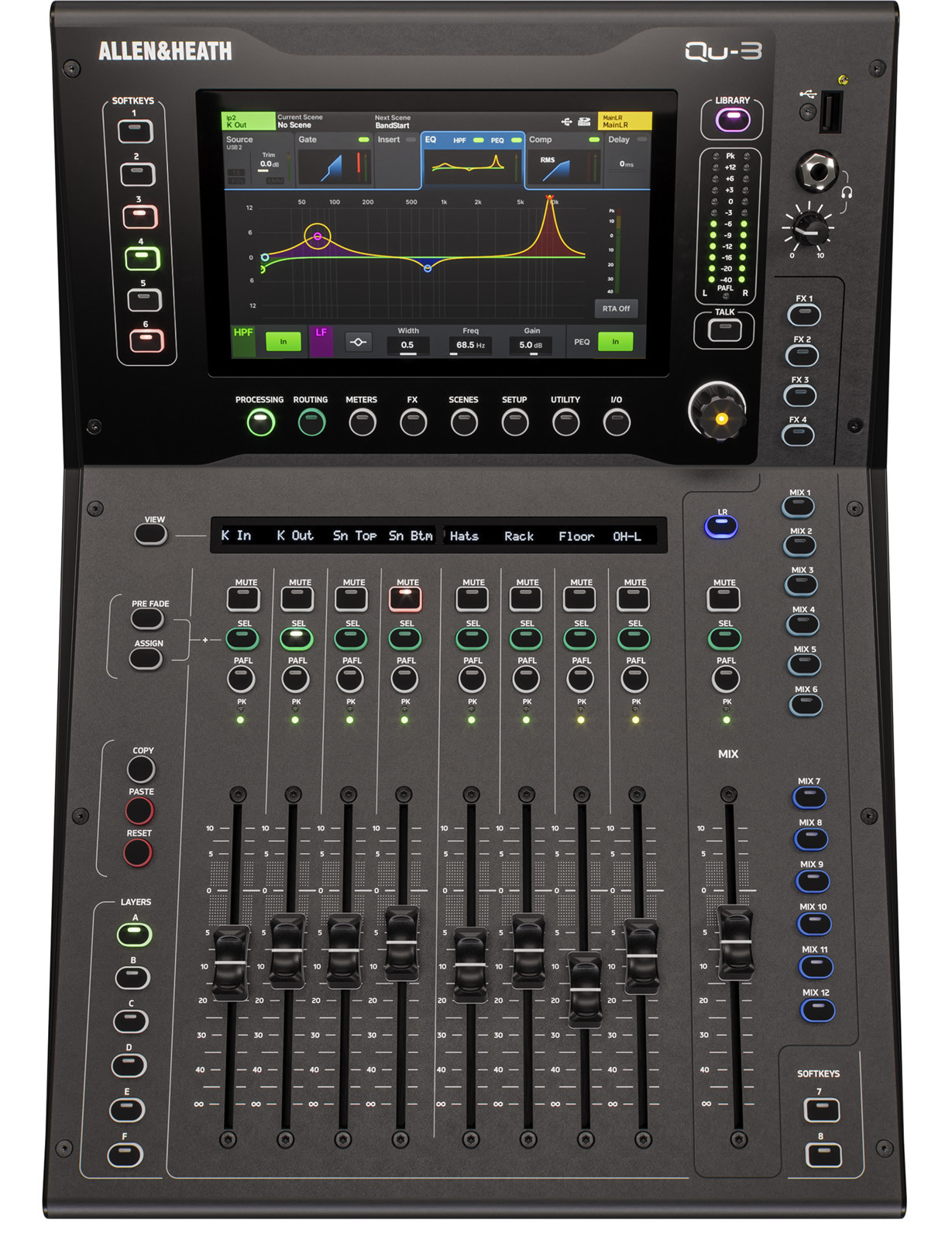
- 9 motorized 100 mm faders distributed across 6 customizable layers, providing access to different channels without increasing the number of physical controls.
- 7-inch capacitive touchscreen, channel displays, and chromatic VU meters to identify sources and monitor their levels.
- Built-in Gain Assistant and Feedback Assistant to simplify preamp setup and detect frequencies causing feedback.
- 32-input/32-output USB-C audio interface, multitrack recording to SD card, and stereo recording to USB-A storage.
- Everything I/O-compatible SLink port to extend connections and expand connectivity options with compatible Allen & Heath equipment.
Mixing Architecture and Audio Processing
The Qu-3 is powered by the XCVI digital engine operating at 96 kHz, combined with next-generation microphone preamps and A/D and D/A converters. Its 32 mono channels—which can be linked in stereo—and 2 stereo channels allow you to manage multiple sources simultaneously. Customizable routing makes it easy to assign them to different mixes and outputs.
The console features 12 auxiliary/group mixes, 4 linkable mono matrices, and a stereo main bus. Its 6 effects engines with dedicated stereo returns allow for direct integration of processing into the mix. Compatible with DEEP Processing technology from the dLive systems, it can also accommodate additional RackExtra preamp, compressor, and effect models, available as optional plug-ins.
Control Surface and Navigation
With its 8 motorized channel faders and master fader, the Qu-3 provides physical control over levels in a particularly compact format. The 6 fully customizable layers allow you to organize channels, returns, and controls according to the needs of each performance. The 8 assignable SoftKeys provide direct access to frequently used functions.
The 7-inch touchscreen provides access to processing, parameters, and routing. Individual displays show the name, type, or connection number of each channel, while color-coded VU meters make it easy to monitor levels while mixing.
Gain and Feedback Suppression Assistants
The Gain Assistant automates the initial setup of compatible preamps, either individually or across multiple channels. Its Auto Gain feature can then monitor input levels and gradually reduce gain when a signal becomes too high, to minimize the risk of clipping. This assistant is particularly useful for mixes involving multiple microphones.
The Feedback Assistant detects feedback frequencies and applies narrow-band filters to attenuate problematic resonances. Up to 16 filters can be used per mix, with modes tailored for system setup and monitoring during a performance.
For conferences, panel discussions, and events with multiple speakers, the 32-channel AMM automatic microphone mixer adjusts the contribution of the various vocal sources. It makes it easier to manage speaking turns and limit the accumulation of open microphones.
Audio Connections and SLink Expansion
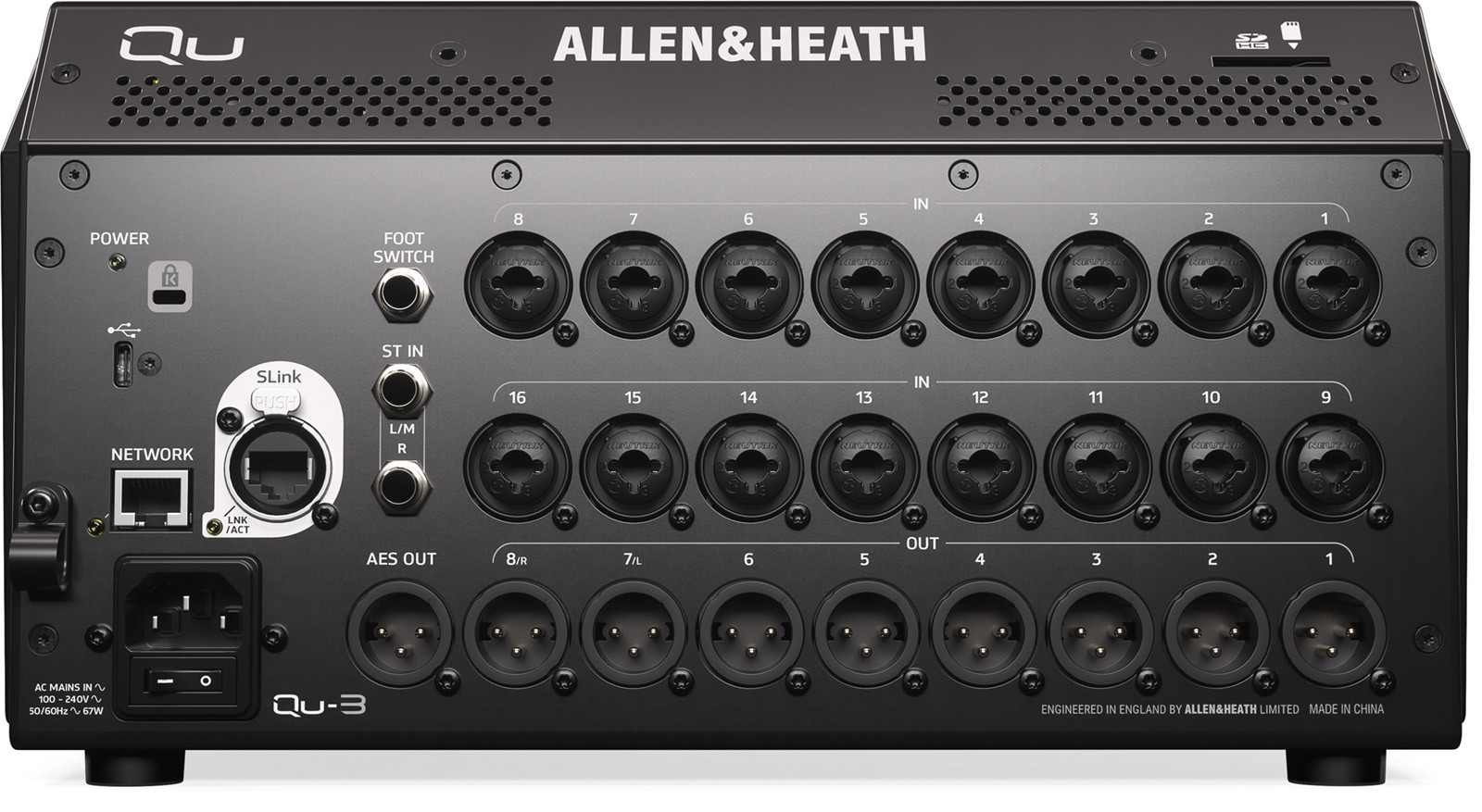
The Qu-3 features 16 mic/line inputs via combined XLR/6.35 mm jack connectors, as well as a stereo line input via two TRS jacks. Its 8 XLR outputs allow you to connect PA systems, monitor speakers, or other audio equipment depending on the selected routing. A stereo AES3 digital output via XLR and a headphone output round out the local connections.
The SLink port provides connectivity to stage boxes and expansion units from the Allen & Heath Everything I/O series. Depending on the equipment and protocol used, it supports configurations of up to 128 input channels and 128 output channels at 96 kHz. This makes it possible to route audio inputs to the stage or connect the console to other compatible Allen & Heath systems without increasing the number of internal processing channels.
This standard Qu-3 does not have a built-in Dante interface. For native connection to a Dante network, the Qu-3D version features a dedicated port supporting 16 audio inputs and 16 outputs at 48 or 96 kHz, with a 32x32 expansion module available separately.
Multitrack Recording and Playback
The Qu-3 features a 32x32 bidirectional USB-C audio interface that allows for the transfer of multiple channels between the console and a computer. It can thus be used with recording software to capture a performance in multitrack format or retrieve audio tracks for mixing.
Its SD card reader allows you to record and play back up to 32 tracks at 48 kHz or 16 tracks at 96 kHz without a computer. The USB-A port is dedicated to stereo recording and playback, as well as data transfer. These various capabilities allow you to tailor the recording method to the needs of each production.
Remote Control and Setup
The Qu-3 works with the free Allen & Heath Qu-MixPad and Qu4You apps. Qu-MixPad allows the engineer to control key mixing parameters from a network-connected device, particularly when adjustments need to be made from the performance space. Qu4You gives musicians the ability to adjust their own monitor mix without affecting other users’ mixes. Wireless control requires a router or an external network access point.
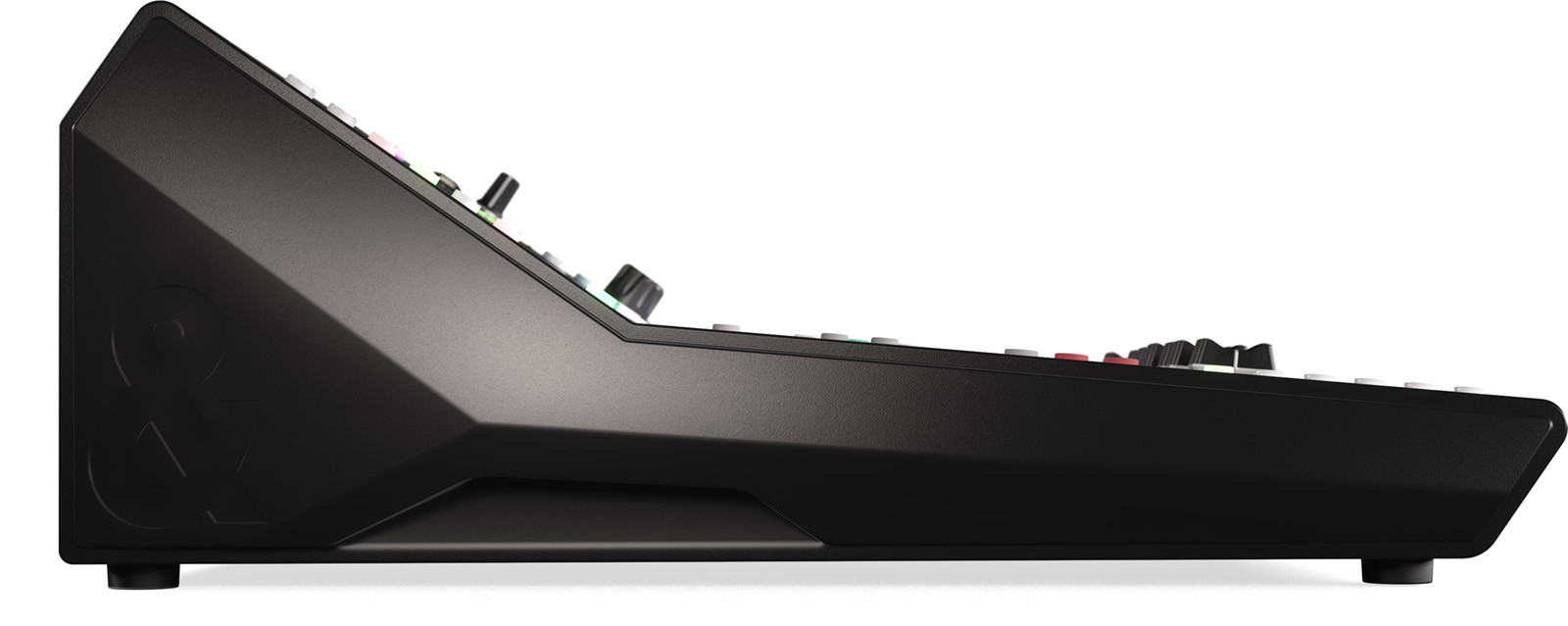
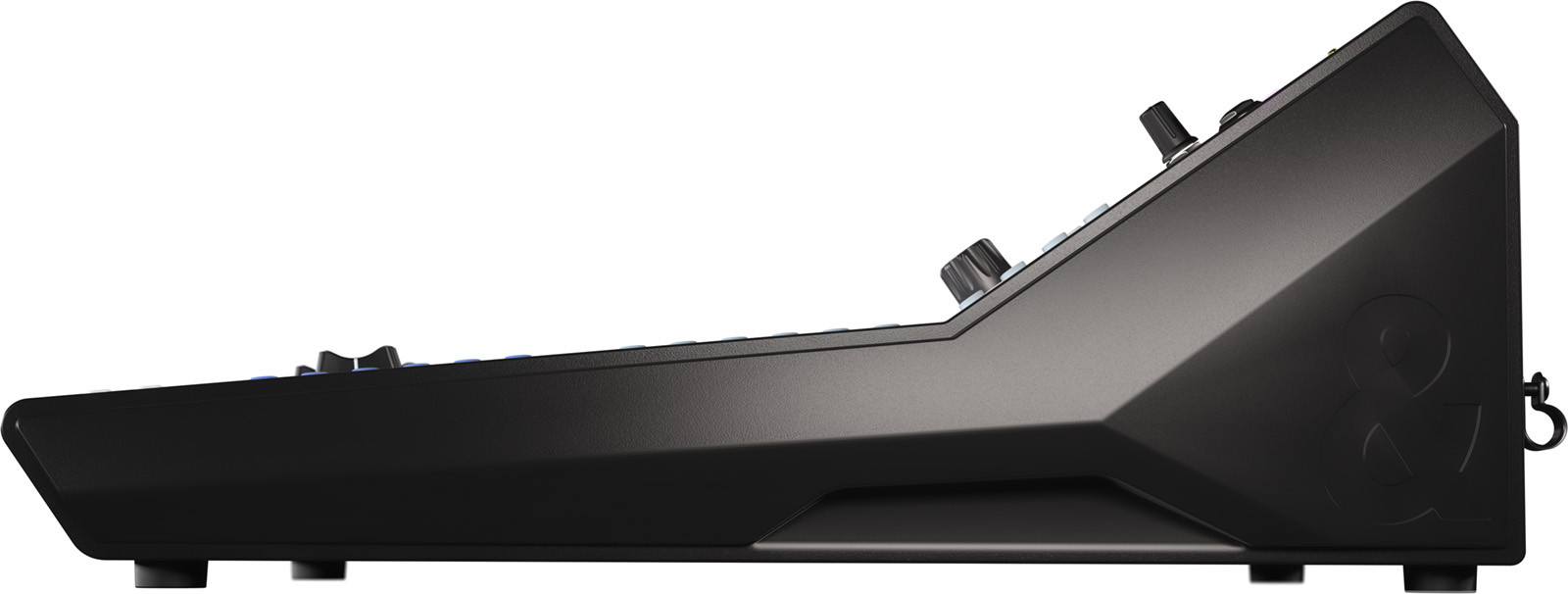
Its compact chassis and tilting screen are designed for use on a table or in a control room. The Qu-3 can also be mounted in a 19-inch rack using an optional mounting kit for integration into a fixed or mobile AV system.
Lire la suite
Technical sheet
- Number of channel mixing desk 6 and 8 channels
- Number of channels 12 channels
- Processing and Effects
- Processing Frequency: 96 kHz
- Processing engine: XCVI
- Multi-effects: 6 engines with dedicated stereo returns
- DEEP Processing: Compatible
- Mixing Architecture
- Number of inputs: 36 (32 mono/linkable, 2 stereo)
- Mixing buses: 12 (6 Aux/Groups—mono/linkable, 6 Aux/Groups—stereo)
- Matrices: 4 mono/linkable
- Main Output: Stereo LR
- Inputs and Outputs
- Microphone/line inputs: 16 x XLR/jack combo jacks
- Stereo line inputs: 2 x TRS jacks
- Analog outputs: 8 x XLR
- Digital output: 1 x AES3 stereo
- Expansion port: SLink 128 x 128 (Everything I/O)
- Headphone output: Stereo
- Control and Interface
- Display: 7-inch capacitive touchscreen, 1,000 nits
- Faders: 9 motorized 100 mm faders
- Channel layers: 6
- Programmable keys: 8 SoftKeys
- Remote Control: Windows, macOS, iOS, and Android apps
- Pedal connection: Single or dual, configurable
- Level meters: Configurable per-channel color-coded LEDs
- Recording and playback
- USB-A: Stereo audio recording/playback and data transfer
- USB-C audio interface: 32 inputs / 32 outputs
- SD card recording: 16 x 16 at 96 kHz or 32 x 32 at 48 kHz
- Multichannel playback from SD card: Yes
- Setup
- Format: Digital mixing console
- Setup: Desktop or 19-inch rack mount
- Rack mounting: Optional kit
- Tilted screen: Yes, angle optimized for desktop use
More specifications
Fewer specifications
Often purchased with Mixing Desk & Controller
-

X-TONE
X1004-10M XLR (M) / XLR (F)
18.00 € -

X-TONE
X1012-3M - 2 Jack(M) 6.35 Mono / 2 RCA(M)
14.00 € -

X-TONE
X1015-3M - Jack(M) 3,5 Stereo / 2 RCA(M)
9.00 € -

BEYERDYNAMIC
DT 770 Pro (250 Ohms)
149.00 € -
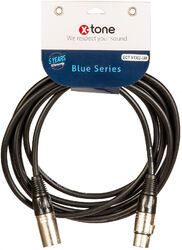
X-TONE
X1002-3M XLR (M) / XLR (F)
10.00 € -

X-TONE
X1007-10M - Jack(M) 6,35 / Jack(M) 6,35
18.00 € -
Gift ideas

X-TONE
X-HP2
79.00 € -
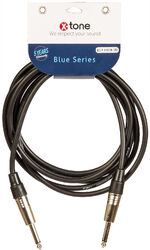
X-TONE
X1005-3M Jack (M) 6,35 / Jack (M) 6,35
10.00 € -
Gift ideas
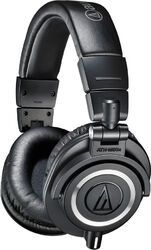
AUDIO TECHNICA
ATH-M50X
149.00 € -
Gift ideas
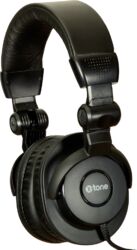
X-TONE
X-HP1
49.00 € -
Gift ideas
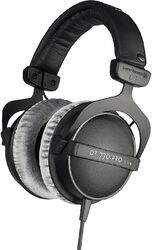
BEYERDYNAMIC
DT 770 Pro 80 Ohms
149.00 €