Cart
Dexibell VIVO S4 - bleu
- Read reviews (0)
- Related accessories
- Similar products
- Free delivery
- Low prices guaranteed
- Satisfied or refunded
- 3-years warranty
Not available at this moment
contact us
Stock in store
Not available in store
INFORM ME OF ITS ENTRY IN STOCK
I want to be notified by email
Go
Payez 143.54 € / mois
- en 12x24x
- Simuler
-
Apport initial:126.67 €
-
Mensualités:23 x 143.54 €
-
Montant financement:2913.33 €
-
Coût financement:388.09 €
-
Montant total dù:3301.42 €
-
TAEG fixe:13.6 %
Un crédit vous engage et doit être remboursé. Vérifiez vos capacités de remboursement avant de vous engager.
Variation(s) of this product.


The brand Dexibell
Learn more about the Dexibell brand and discover the entire catalog.

Digital Piano Buying Guide
Do you want to play the piano? Discover our buying guide to help you choose your digital piano.
Contact an expert
Our musician and enthusiast tele-consultants are here to answer all your questions.
Portable digital piano
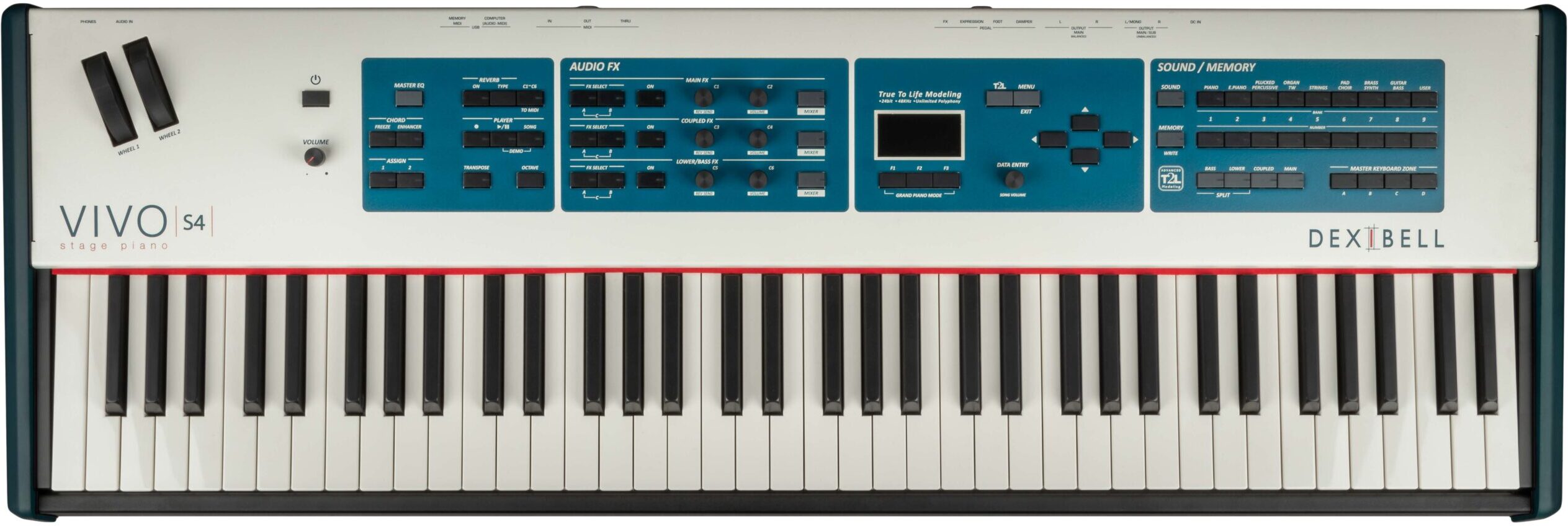
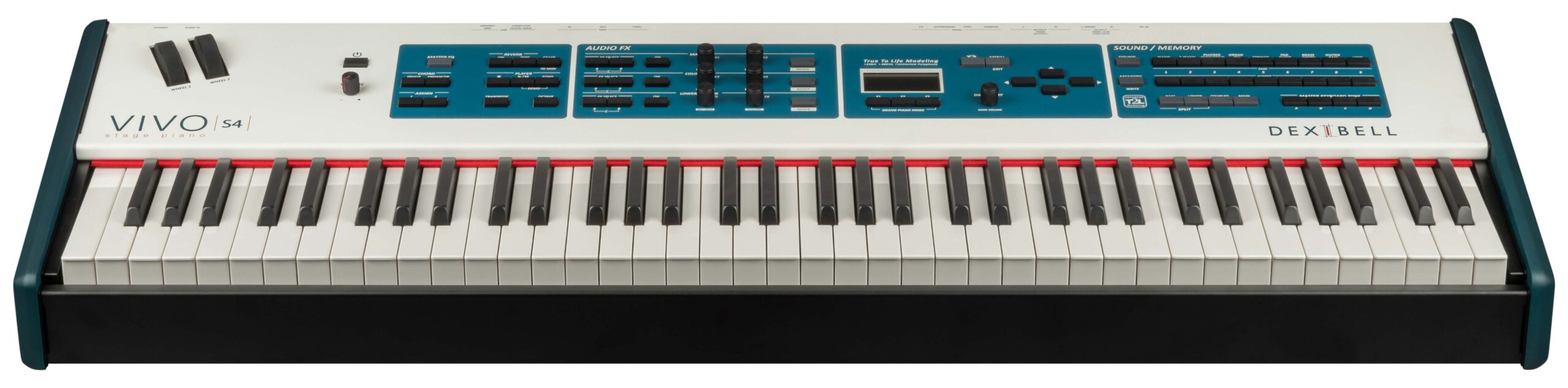
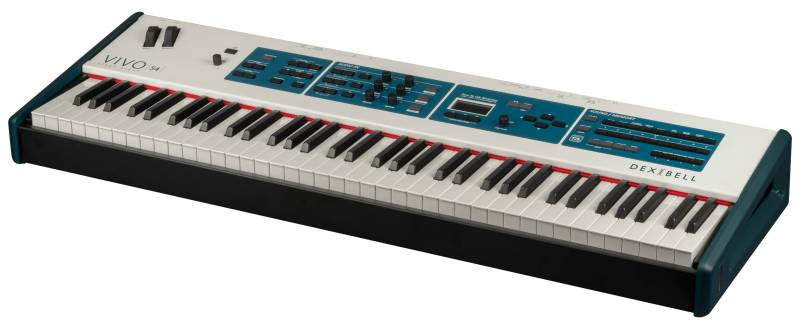
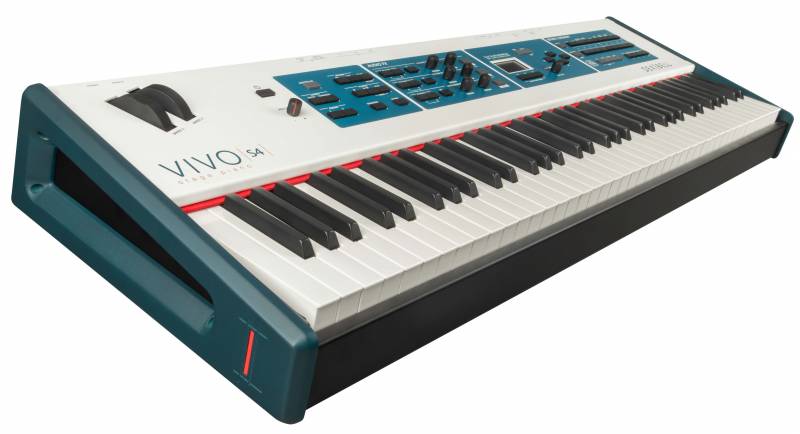
The DEXIBELL VIVO S4 is a 73-key digital stage piano designed for pianists and keyboardists who alternate between concerts, rehearsals, and studio work. It combines a Fatar hammer-action keyboard, an Advanced T2L sound engine, and control features tailored for live performance. Weighing just 11.8 kg, it offers a more compact alternative to 88-key models, while retaining a weighted keyboard and a full range of connectivity options.
Key Features
- Fatar TP-100 LR 73-key keyboard with graded hammer-action mechanism and triple sensors, allowing you to play a note again before the key is fully released.
- Advanced T2L engine combining sampling and modeling, with 24-bit/48 kHz sound processing and advertised unlimited polyphony in a 320-oscillator architecture.
- 180 sounds and over 100 organ presets, with the ability to add compatible sound libraries.
- Four voice parts, four MIDI zones, and 12 independent DSP effect processors for organizing complex stage setups.
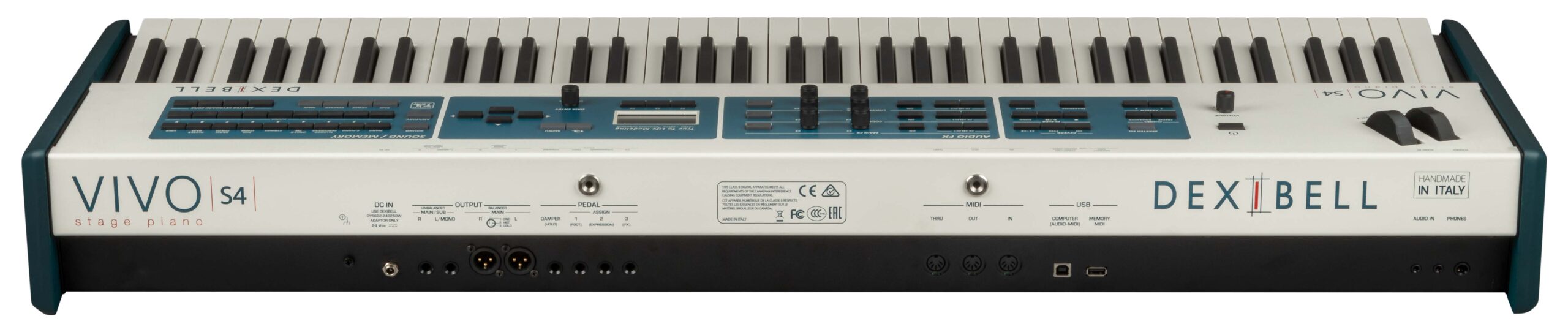
- Balanced XLR outputs, assignable jack outputs, MIDI, USB audio/MIDI, and Bluetooth audio/MIDI for integration with various equipment.
- Measures 107.7 cm wide and weighs 11.8 kg, with the DX CP1 continuous sustain pedal included.
Touch and Action
The VIVO S4 features a 73-key Fatar TP-100 LR keyboard with graded hammer-action mechanics. The mechanical resistance varies across the registers, while the triple sensor detects key movements to enable rapid repetitions without having to wait for the keys to return fully to their up position.
Seven sensitivity curves and a fixed-velocity mode allow you to tailor the sound response to your playing style. These settings affect the dynamics produced without altering the physical resistance of the keyboard. The 73-key layout provides sufficient range for many accompaniments and solo parts, but requires more compromise than an 88-key keyboard for works that utilize the extremes of the register.
Advanced T2L Sound Engine
Advanced T2L technology—short for True to Life—combines high-definition samples with sound modeling. Piano samples can be up to 15 seconds long in the low register, while sound modeling allows certain sound parameters to evolve based on playing style. 24-bit/48 kHz processing contributes to this sound-generation architecture.
DEXIBELL offers unlimited polyphony with an architecture based on 320 oscillators. This specification does not correspond to a fixed number of independent notes: the resources used depend, in particular, on the sounds and the number of oscillators engaged. It allows for the handling of complex arrangements and sustained notes without imposing a traditional polyphony limit expressed in notes.
Pianos, Organs, and Sound Libraries
The VIVO S4 offers 180 sounds, including acoustic pianos, electric pianos, strings, and various accompaniment instruments. It also includes over 100 organ presets, featuring various types of tonewheel, transistor, and pipe organs. Nine virtual drawbars accessible on-screen allow you to modify the harmonic composition of compatible organ sounds.
The 3.2 GB sound memory can accommodate additional libraries in compatible DEXIBELL and SoundFont 2 formats. This allows you to expand the original sounds to suit your repertoire without replacing the instrument. Keep in mind the loading and memory usage of libraries when preparing a setup.
Layering, Splitting, and MIDI Zones
The VIVO S4 allows you to organize up to four internal sound parts: Main, Lower, Coupled, and Pedal. You can layer multiple instruments or distribute sounds across different zones of the keyboard—for example, keeping a piano on the right side and assigning a bass to the left side.
Four programmable MIDI zones also allow you to control external instruments or software. This setup is useful on stage for preparing configurations that combine the VIVO S4’s internal sounds with expander units or virtual instruments. User memories let you recall presets prepared for different songs.
Effects and Performance Controls
The VIVO S4 features 12 independent DSP effects processors, distributed among the different sound parts. This allows you to apply distinct processing to different instruments without having to apply the same effect to the entire keyboard. The organ sounds also benefit from specific effects such as Rotary, Overdrive, and Vibrato/Chorus.
Six dedicated effect encoders, two dials, and two assignable buttons make it easy to adjust settings while playing. Effect changes utilize technology designed to prevent abrupt processing interruptions when recalling certain settings.
Audio and MIDI Connections
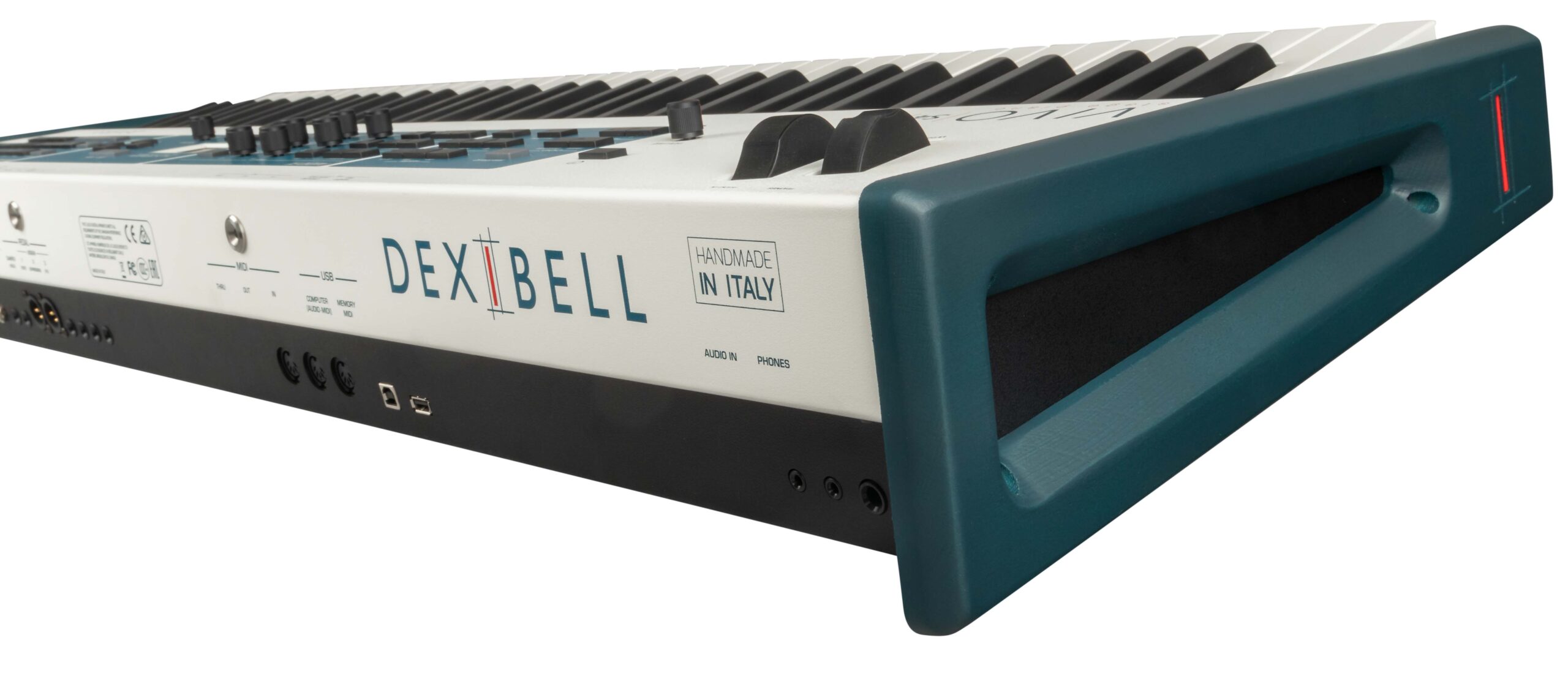
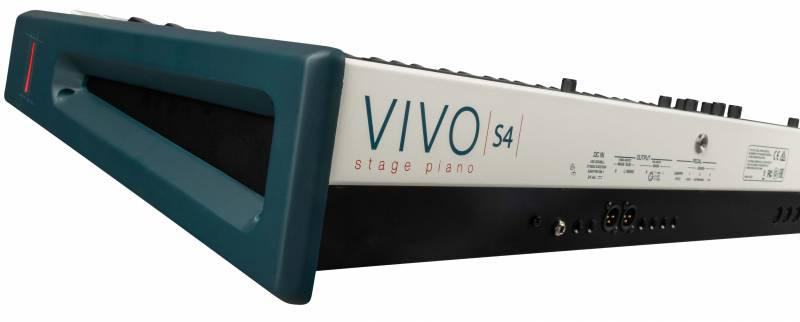
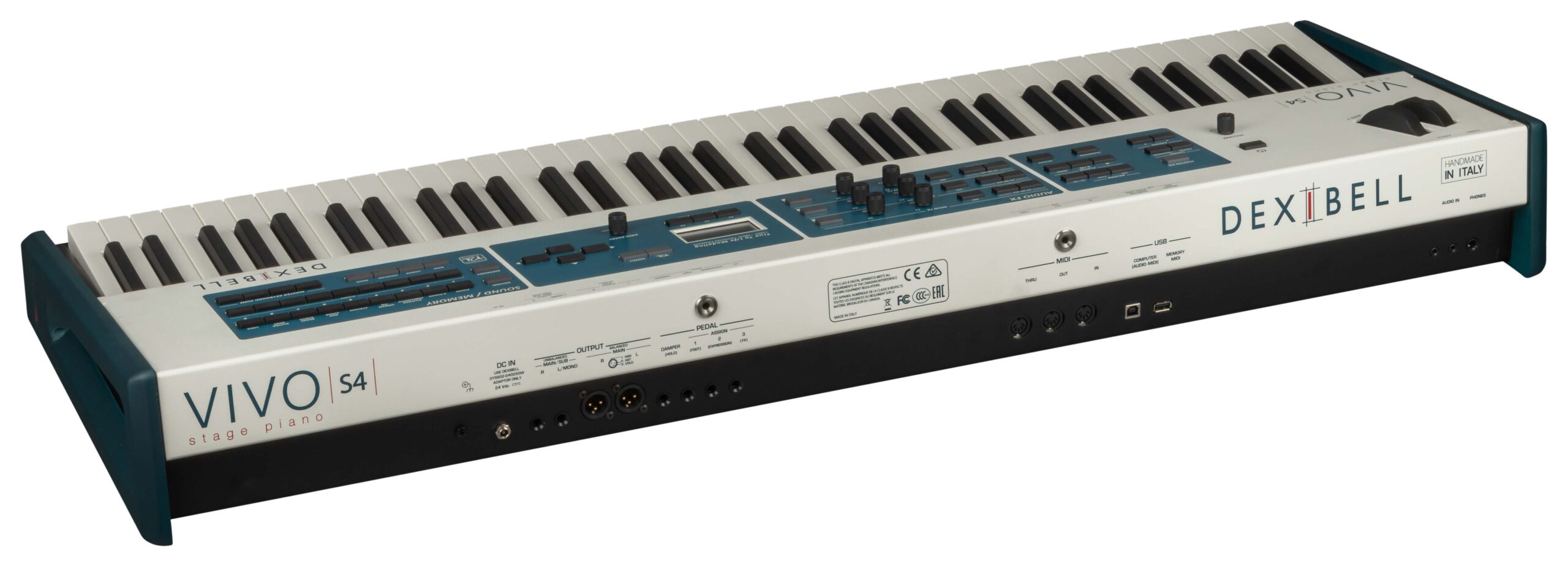
The balanced XLR stereo outputs allow you to connect the VIVO S4 directly to a mixing console or a compatible sound system. Two additional 6.35 mm jack outputs can be configured as secondary outputs to route specific parts to a separate processing channel or output. The VIVO S4 does not have built-in speakers: an external amplifier or headphones are required to hear it.
The MIDI IN, OUT, and THRU connections allow communication with other instruments. The computer USB port carries MIDI data as well as digital audio input and output, which allows you to record the piano’s sound directly into compatible software. The USB device port supports USB flash drives and certain MIDI connections.
Bluetooth and Apps
Bluetooth Audio allows you to receive audio from a compatible device, for example, to play along with an accompaniment. Bluetooth MIDI Low Energy is used to exchange commands and musical data wirelessly. These two functions serve distinct purposes, and Bluetooth Audio is not intended to transmit the piano’s sound to wireless headphones.
The VIVO Editor app allows you to edit programs and settings from a compatible iOS device. The X MURE app, on the other hand, offers audio accompaniments whose harmonic progression can follow the chords you play. These accompaniment features are accessed through the app and do not constitute a rhythm library built directly into the piano.
Audio Playback and Recording
The VIVO S4 can play WAV, AIFF, and MP3 audio files from a compatible USB flash drive. This feature allows you to practice with an accompaniment track without necessarily using an external player.
The built-in recorder saves performances directly as WAV audio files to a USB flash drive, with a resolution of 48 kHz at 32-bit floating-point. This is a true audio recording—which can then be played back on a computer—rather than simply a recording of the MIDI notes played.
Dimensions and Specifications
The DEXIBELL VIVO S4 measures 107.7 cm wide, 37 cm deep, and 13.6 cm high. Weighing 11.8 kg, it is easier to transport between rehearsals and concerts compared to larger 88-key stage pianos. However, it requires a stable stand and a sound system suitable for its use.
DEXIBELL includes a DX CP1 continuous sustain pedal, allowing you to control the sustain of notes on compatible sounds. Three additional pedal inputs allow you to add assignable controls, particularly for expression or certain effects. The AC power supply is provided by the manufacturer, while the stand, music stand, and other pedals must be purchased separately as needed.
Lire la suite
Technical sheet
- Number of keys 88 keys
- Piano color Blue
- Touch Heavy touch
- Keyboard
- Type: Digital stage piano
- Keyboard: Fatar TP-100 LR
- Number of keys: 73
- Action: weighted hammer-action, triple sensor
- Touch sensitivity: 7 curves + fixed mode
- Sound engine
- Technology: Advanced T2L (True to Life), sampling and modeling
- Audio resolution: 24-bit / 48 kHz
- Internal DSP processing: 32-bit floating-point
- Polyphony: unlimited, with 320 oscillators
- Sample memory: 3.2 GB
- Built-in sounds: 180
- Organ presets: over 100
- Organ types: TW1, TW2, FARF, VX, PIPE, and user models
- Loading additional sounds: compatible with Dexibell libraries and the SoundFont format
- Internal memories: 81
- Functions and effects
- 4 voice parts: Main, Lower, Coupled, and Pedal
- 4 MIDI zones
- Layer and Split functions
- 12 independent DSP processors with 17 types of effects
- Organ effects: Rotary, Overdrive, Vibrato/Chorus
- Reverb: 24 types
- 3-band digital equalizer
- Chord Enhancer function
- 9 preset temperaments + 3 customizable
- WAV audio recording to USB flash drive (48 kHz / 32-bit floating-point)
- Audio playback: WAV, AIFF, and MP3
- Compatibility with the VIVO Editor and X MURE apps on iOS
- Controls and Display
- 128 × 64-dot graphic display
- 6 effect control encoders
- 1 navigation and adjustment knob
- Master volume control
- Pitch bend and modulation wheels
- 2 assignable buttons
- Connectivity
- 2 balanced XLR audio outputs (L/R)
- 2 6.35 mm audio jacks (L/Mono, R), configurable as Main/Sub
- 1 6.35 mm headphone jack
- 1 stereo 3.5 mm mini-jack auxiliary input
- MIDI IN / OUT / THRU
- USB To Host: MIDI and digital audio
- USB To Device: storage and MIDI
- Bluetooth Audio (receive) and MIDI BLE 4.2
- 4 pedal inputs: Sustain, assignable, expression, and effects
- Dimensions and Weight
- Width: 1,077 mm
- Depth: 370 mm
- Height: 136 mm
- Weight: 11.8 kg
- Colors: white and blue
- Built-in amplifier: no
- Power Supply and Accessories
- Power supply: AC adapter
- Maximum power consumption: 18 W
- Dexibell DX CP1 continuous sustain pedal included
- AC adapter included
More specifications
Fewer specifications
Often purchased with Digital Piano
-
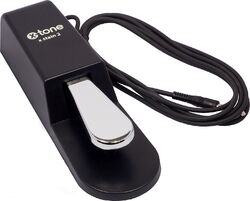
X-TONE
X-Stain 2
29.90 € -
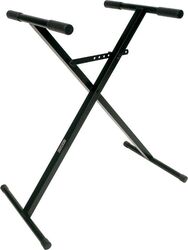
RTX
X103
46.95 € -
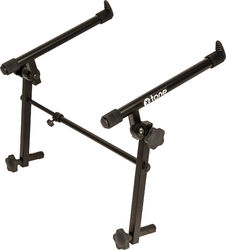
X-TONE
XH6110 Premium Keyboard Stand Extension
28.90 € -
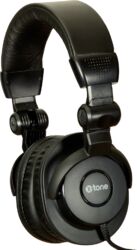
X-TONE
X-HP1
49.00 € -
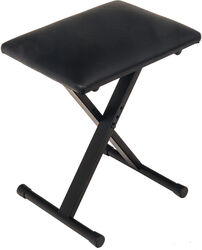
X-TONE
xb 6150 Black Foldable Bench
39.00 € -
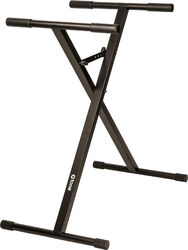
X-TONE
XH6102 Premium Keyboard Stand
44.90 € -
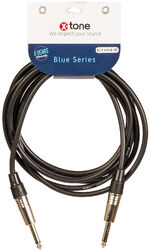
X-TONE
X1005-3M Jack (M) 6,35 / Jack (M) 6,35
10.00 € -
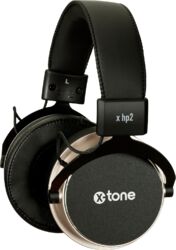
X-TONE
X-HP2
79.00 € -
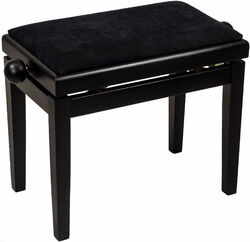
X-TONE
XB6160 Standard - Black Satin
129.00 € -
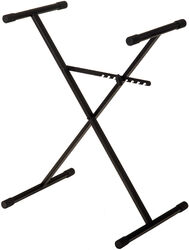
X-TONE
xh 6101 Keyboard Stand
27.90 € -
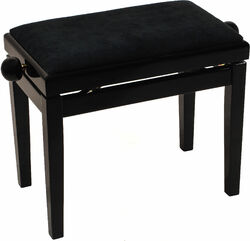
X-TONE
XB6161 Standard - Black Lacquer
129.00 € -
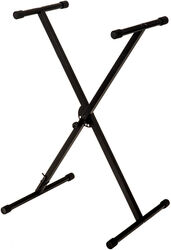
X-TONE
xh 6100 Self-Assembly Keyboard Stand
24.90 €