Cart
new
Harrisson FLEX-10
- Read reviews (0)
- Related accessories
- Similar products
- Free delivery
- Low prices guaranteed
- Satisfied or refunded
- 3-years warranty
Pre-order
Shipped under 2026/10/09
Stock in store
Not available in store
INFORM ME OF ITS ENTRY IN STOCK
I want to be notified by email
Go
Payez 59.33 € / mois par carte bancaire
- en 3x4x10x12x
- Simuler
-
Apport initial:54.92 €
-
Mensualités:11 x 59.33 €
-
Montant financement:604.08 €
-
Coût financement:48.55 €
-
Montant total dù:652.63 €
-
TAEG fixe:16.9 %
Un crédit vous engage et doit être remboursé. Vérifiez vos capacités de remboursement avant de vous engager.
The brand Harrisson
Learn more about the Harrisson brand and discover the entire catalog.
Sound card buying guide audio interface
Through this buying guide, you will find all the information you need to make your first audio interface purchase.
Contact an expert
Our musician and enthusiast tele-consultants are here to answer all your questions.
Usb audio interface
The Harrison Flex-10 USB/ADAT audio interface features the analog character that has made Harrison consoles famous since the 1970s. You’ll enjoy 32-bit/192 kHz conversion, transformer-coupled preamps with natural saturation, and connectivity designed for a scalable studio setup—whether you’re recording solo or with multiple musicians.
Whether you’re looking to replace a soulless entry-level interface, modernize an old tape machine, or simply incorporate a vintage tone into your digital workflow, the Flex-10 is the perfect fit for your setup. Here’s a detailed look at what it offers.
Overview
The Flex-10 builds on the legacy of Harrison’s Series 32 analog consoles, incorporating some of their signature circuitry into a modern audio interface format. You don’t need a full-scale console in your studio to capture some of that signature sound.
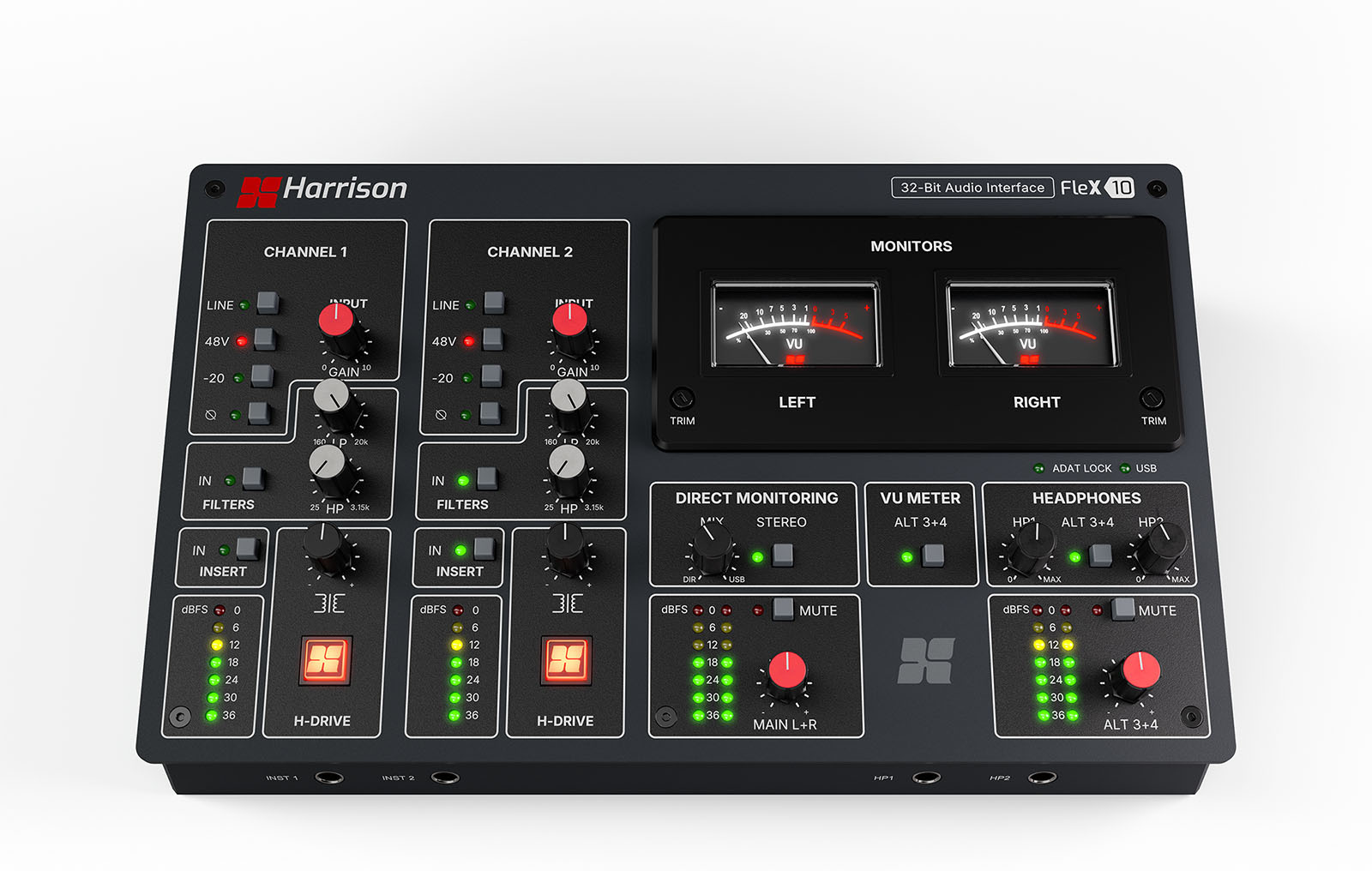
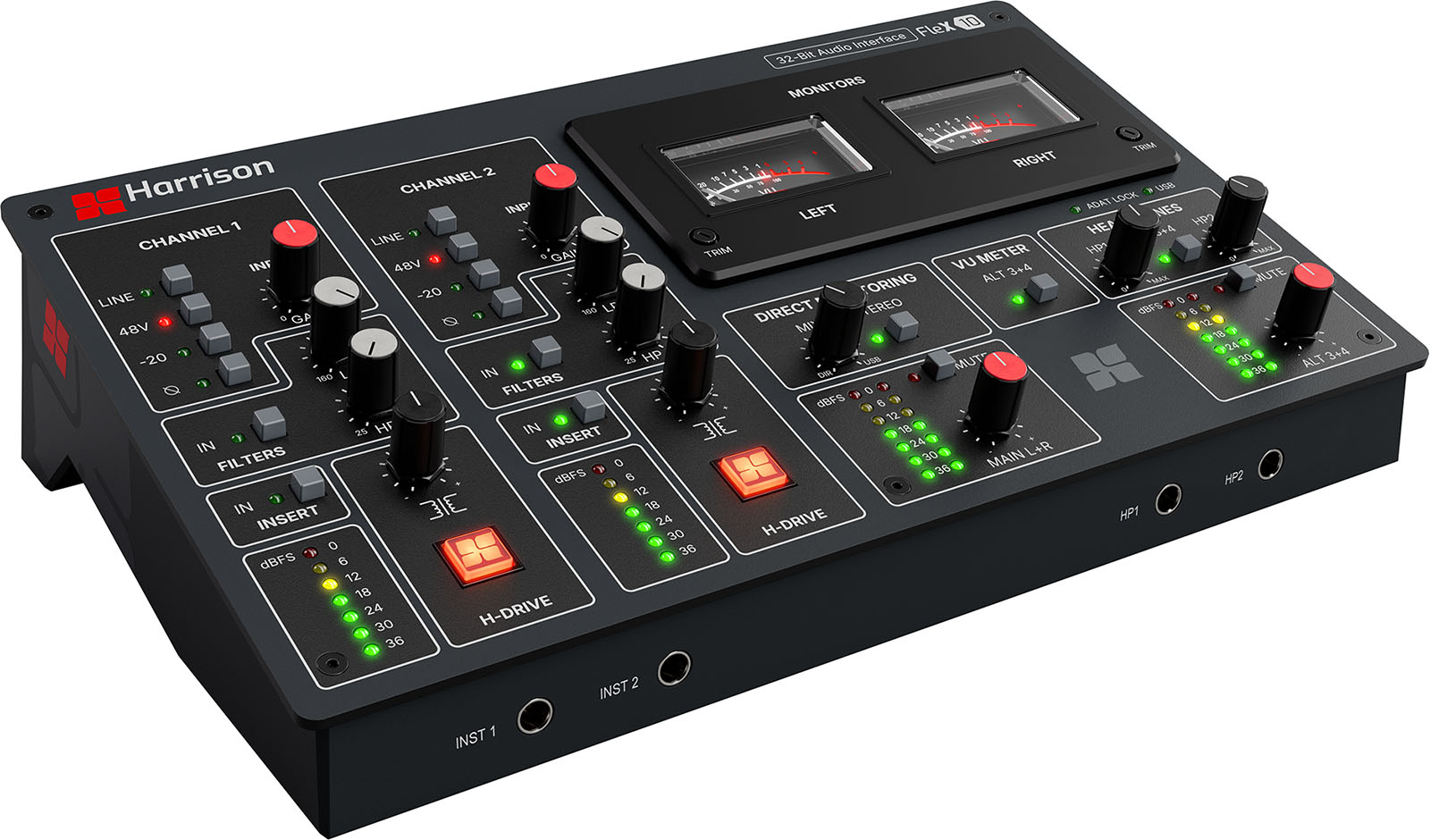
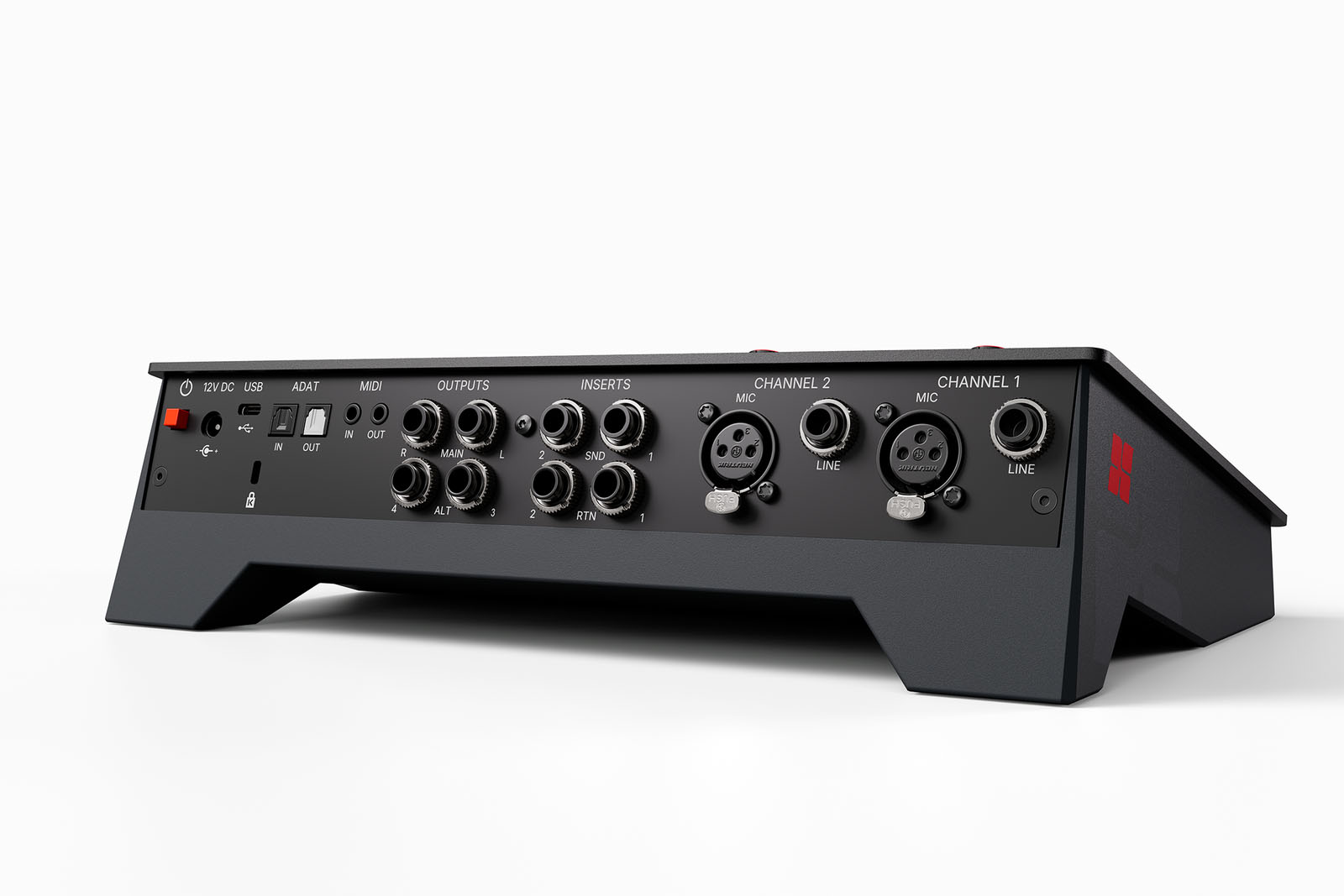
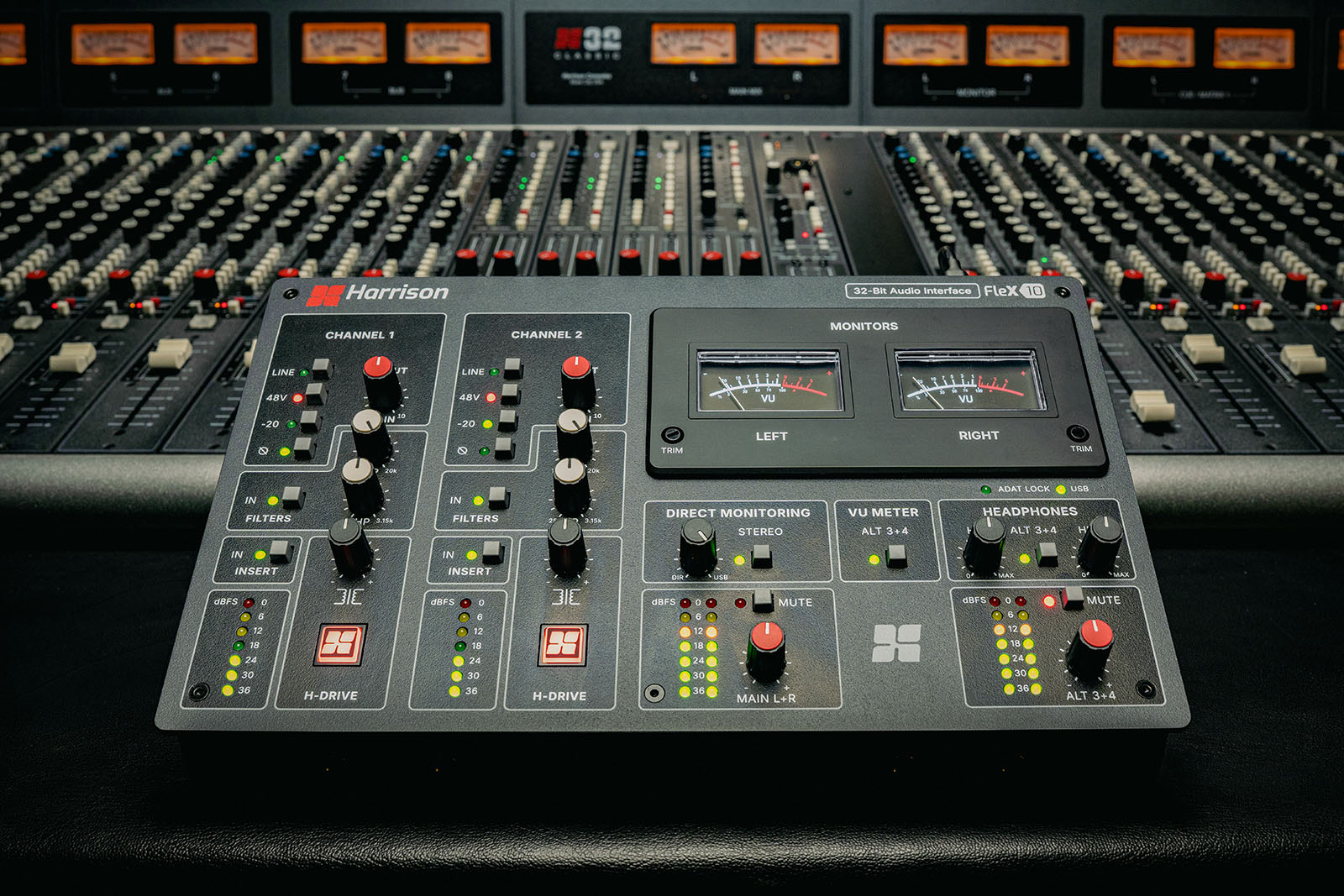
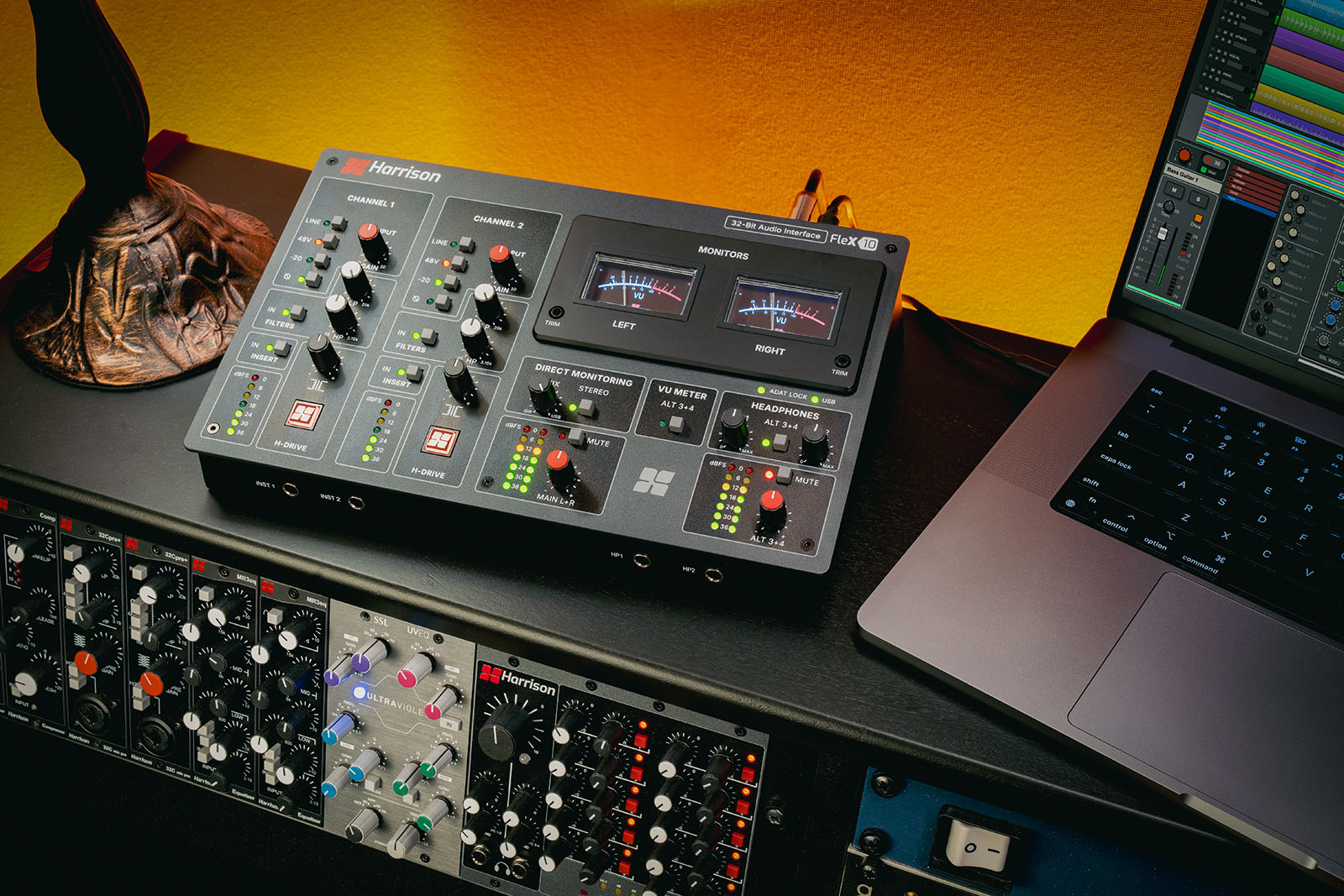
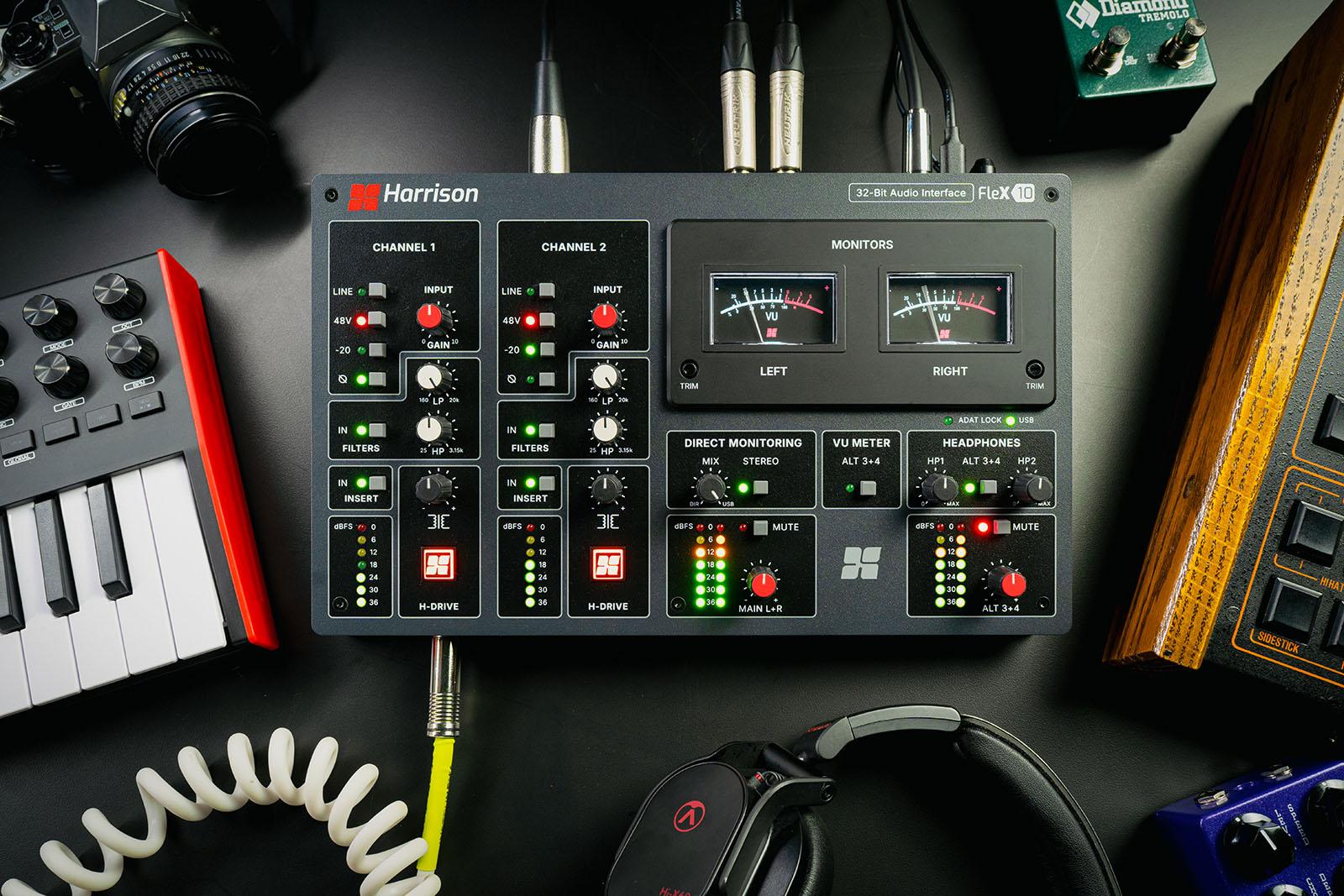
It features 10 inputs/12 outputs, two preamps with H DRIVE™ transformer-based saturation, high-pass and low-pass filters inherited from the 32 Series, two front-panel instrument inputs, balanced insert points per channel, 8 ADAT I/O channels, two independent monitoring outputs, multiple headphone outputs, TRS MIDI I/O, and analog VU meters. It comes with the Harrison Creator Pack and a Mixbus 12 license.
This type of interface is designed for setups where analog character is just as important as digital precision: home studios, small-scale recording studios, or portable setups connected via USB.
Who is the Harrison Flex-10 designed for?
Musicians and producers who currently use an entry-level audio interface and are looking to gain more tonal character through the H DRIVE™ transformer-based saturation preamps, without needing a full-fledged mixing console.
Guitarists and bassists who record their takes directly at home, thanks to the two front-panel instrument inputs, accessible without having to reach around to the back of the rack.
For home studios in the process of expanding, which need to add additional channels via the 8 ADAT I/O channels without changing their main interface.
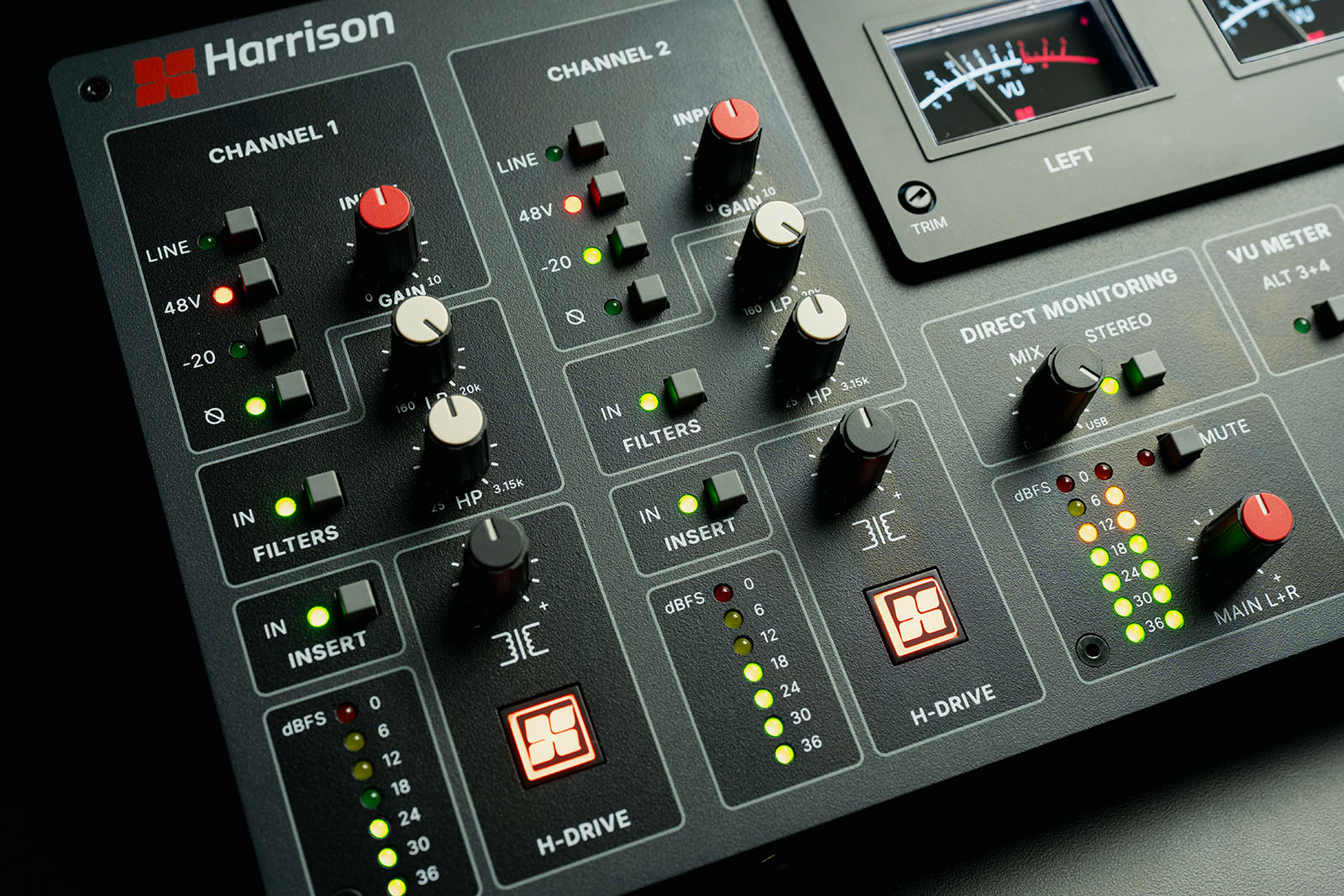
Two Harrison preamps with H DRIVE™ transformer saturation
Both input preamps feature H DRIVE™ transformer saturation, a technology unique to Harrison. Compared to a standard, neutral-sounding interface preamp, this saturation colors the signal right at the source, even before DAW processing. In practice, you get an analog character on your vocals or instrument without needing additional outboard gear to achieve it in post-production.
High-Pass and Low-Pass Filters Derived from the Series 32
The built-in high-pass and low-pass filters are based on the circuitry of Harrison’s 32 Series analog consoles. Unlike a simple software filter applied after recording, this analog processing acts directly on the input signal. This lets you clean up a source right at the time of recording and save mixing time by avoiding the need to correct the frequency response later.
Two front-panel instrument inputs for quick connection
Two instrument inputs are located on the front panel, ready to accept a guitar, bass, or any other instrument-level source. Unlike an interface where these inputs are relegated to the back of the rack, this placement eliminates the need to walk around your setup to plug in an instrument during a session—a real time-saver in a home studio.
Balanced insert points for integrating external gear
Each channel features a dedicated balanced insert point, allowing you to insert a compressor, a Harrison 500 Series module, or an effects pedal into the signal chain before recording. Unlike processing applied solely in post-production via plug-ins, this approach lets you shape the sound at the source and maintain a workflow similar to that of a studio equipped with analog outboard gear.
32-bit/192 kHz conversion for high-resolution recording
The Flex-10 features next-generation 32-bit/192 kHz converters. Compared to an interface limited to 24-bit/96 kHz, this higher resolution offers greater flexibility in post-production, particularly when managing level and background noise. In practice, you retain more usable material during mixing, even on takes recorded with a safety margin.
8 ADAT I/O channels to expand your number of tracks
The 8 ADAT I/O channels allow you to connect additional preamps or external converters. Unlike a closed USB interface limited to its own physical inputs, this expansion lets you scale up your studio without replacing your main interface. It’s a useful option if you plan to record a full drum kit or multiple musicians simultaneously.
Two independent monitor outputs and multiple headphone outputs
The Flex-10 offers two independent monitoring outputs with dedicated level controls, as well as multiple headphone outputs with high current output. Compared to an interface that offers only a single headphone output, this configuration allows you to set up separate monitoring for yourself and a collaborator, or to properly power high-current closed-back headphones without distortion.
MIDI I/O via 3.5 mm TRS connectors
The interface features MIDI inputs and outputs in the 3.5 mm TRS format rather than the traditional DIN connectors. This connectivity allows you to directly connect synthesizers and drum machines without needing a separate MIDI interface. For a compact home studio setup that includes hardware, this means one less connection to manage.
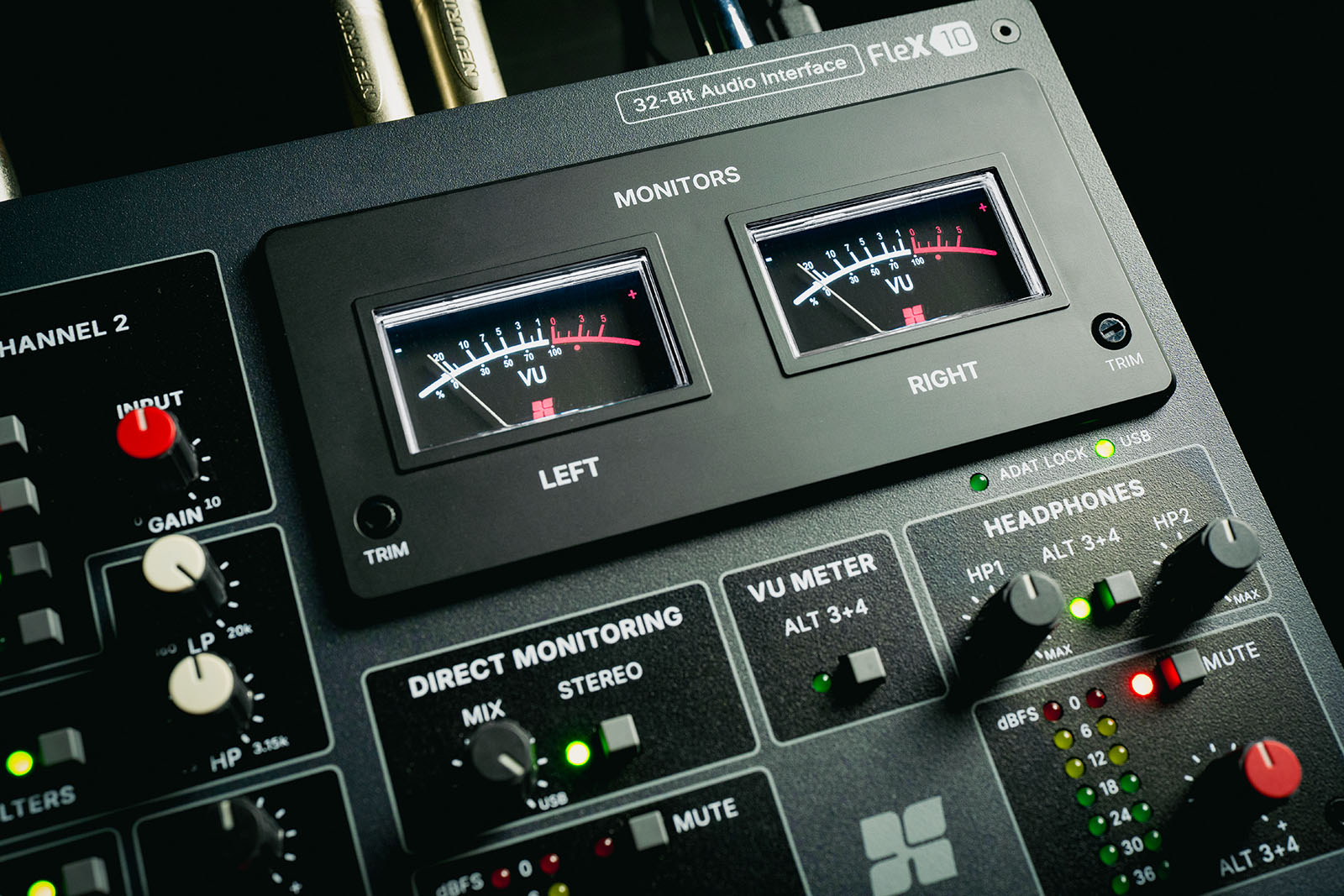
Analog meter panels on the front panel for visual monitoring
Analog meter panels are located on the front panel of the Flex-10, displaying signal levels in real time. Unlike a simple LED level indicator, this type of analog meter with a needle allows you to more intuitively track dynamic variations during recording—a useful visual cue during sessions to prevent digital clipping.
The Harrison Creator Pack and Mixbus 12 license included
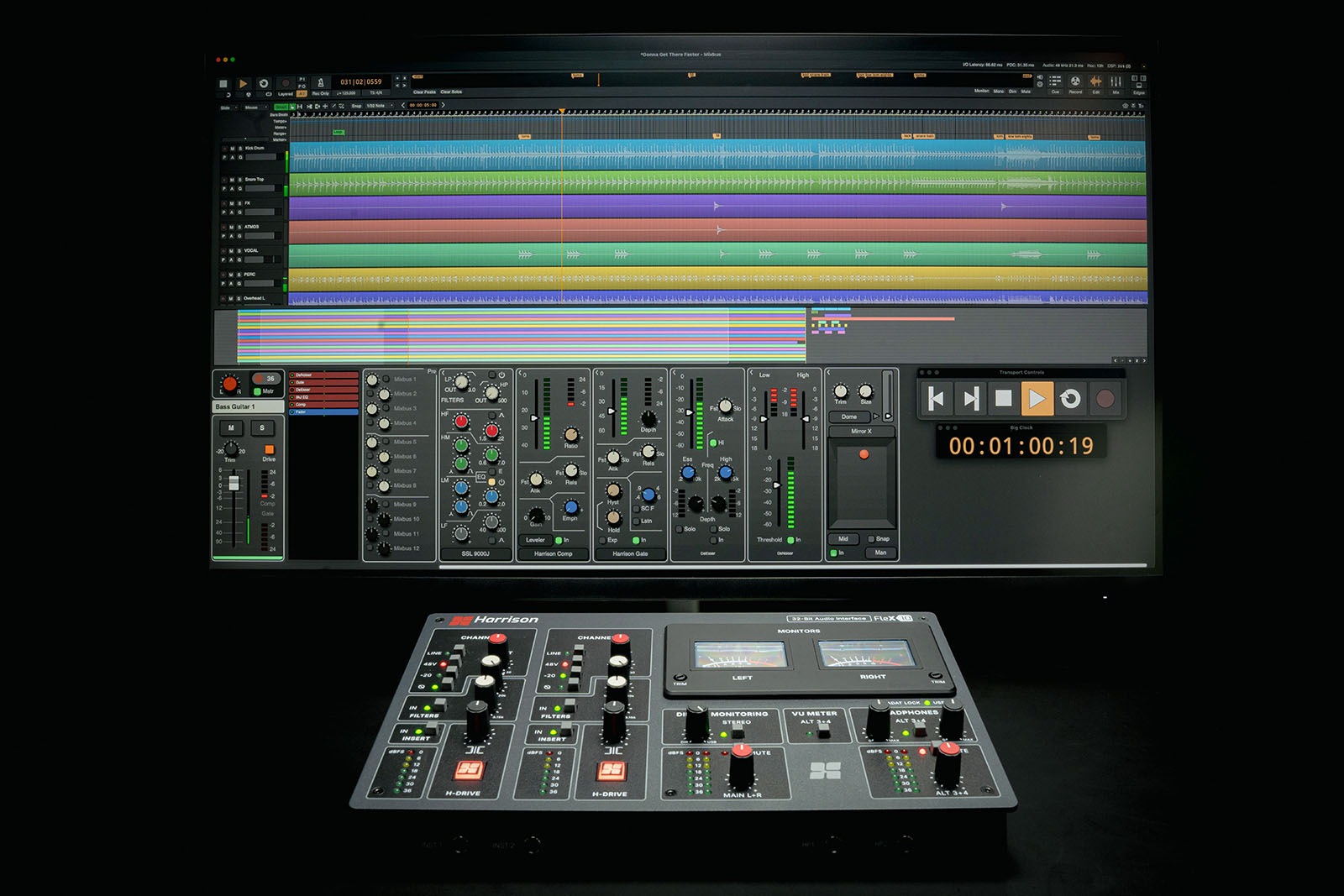
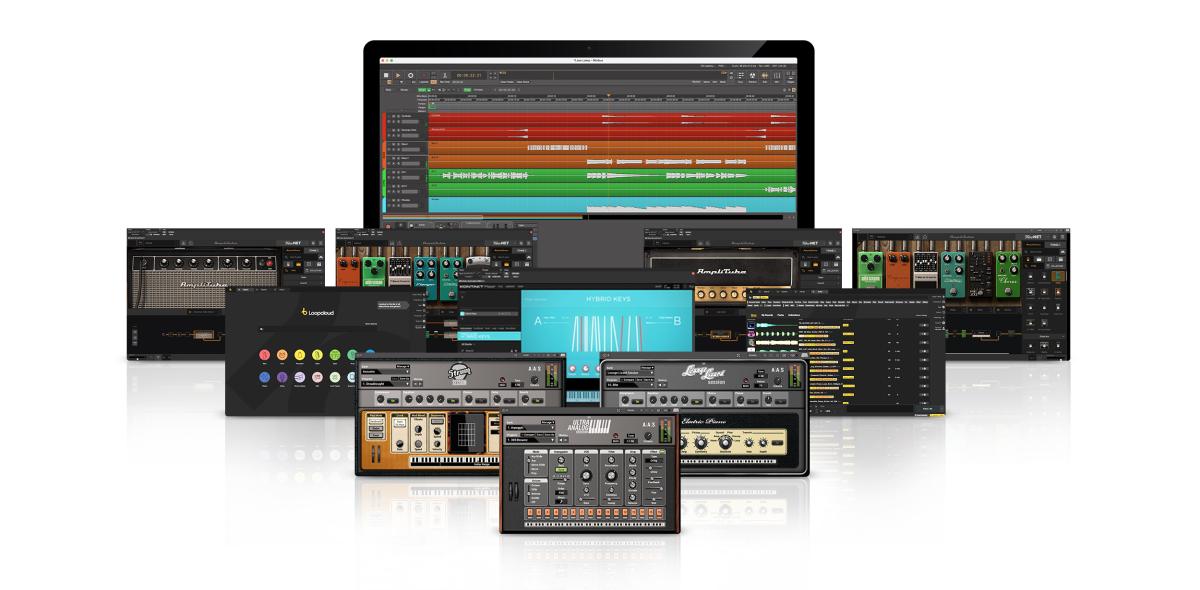
The Flex-10 comes with the Harrison Creator Pack (virtual instruments, plug-ins, loops, and samples from partners such as Solid State Logic, Slate Digital, and Native Instruments) as well as a full license for Mixbus 12, Harrison’s DAW inspired by console workflows. Unlike an interface sold without accompanying software, you get a complete hardware and software studio right out of the box, with no need to purchase an additional DAW or plug-ins to get started.
Lire la suite
Technical sheet
- Identification
- Model: Harrison Audio Flex-10
- Type: USB-C audio interface
- Connectivity
- Configuration: 10 inputs / 12 outputs
- Microphone preamps: 2 Harrison preamps
- Instrument Inputs: 2 Hi-Z inputs
- Line inputs: 2
- Analog inserts: on both preamps
- ADAT expansion: 8 channels
- MIDI I/O: yes
- Headphone outputs: 2
- Monitor outputs: dual output
- Audio resolution
- Converters: 32-bit / 192 kHz
- Signal processing
- Analog saturation: H-Drive™ on mic preamps
- Filters: Harrison high-pass and low-pass
- Compatibility
- macOS: Class Compliant
- Windows: ASIO
- Included Software
- Harrison Mixbus 12
- Harrison Creator Pack (plug-ins, virtual instruments, sound banks)
More specifications
Fewer specifications
Often purchased with Audio Interface
-
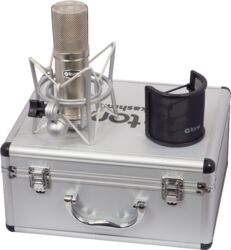
X-TONE
Kashmir
199.00 € -
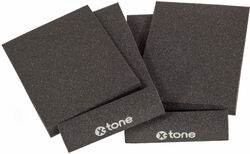
X-TONE
xi 7000 Foam Panele For Studio Speakers
15.00 € -
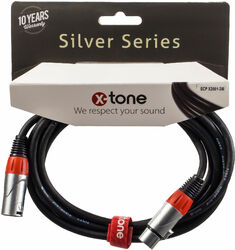
X-TONE
X2001-3M - XLR(M) / XLR(F) SILVER SERIES
16.00 € -
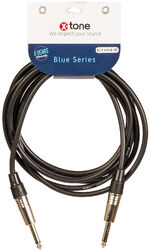
X-TONE
X1005-3M Jack (M) 6,35 / Jack (M) 6,35
10.00 € -
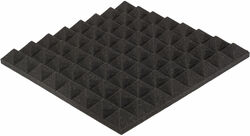
X-TONE
xi 7002 Acoustic Panel
19.00 € -
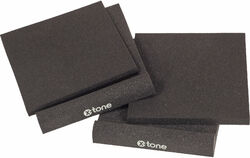
X-TONE
xi 7001 Foam Panele For Studio Speakers
23.00 € -

X-TONE
X-HP1
49.00 € -
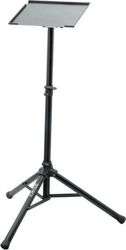
RTX
SPC STAND
55.00 € -

X-TONE
X-HP2
79.00 € -
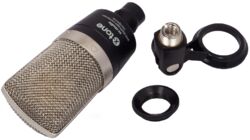
X-TONE
XS-Studio
89.00 € -
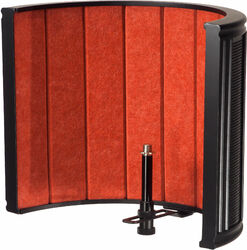
X-TONE
X-Screen Pro
210.00 € -
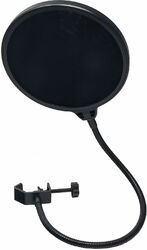
X-TONE
XM 5200 Anti Pop Filter
14.90 €