Cart
new
Universal audio Volt 1 G2
- Read reviews (0)
- Related accessories
- Similar products


The brand Universal audio
Learn more about the Universal audio brand and discover the entire catalog.

Sound card buying guide audio interface
Through this buying guide, you will find all the information you need to make your first audio interface purchase.
Contact an expert
Our musician and enthusiast tele-consultants are here to answer all your questions.
Usb audio interface
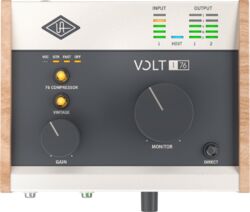
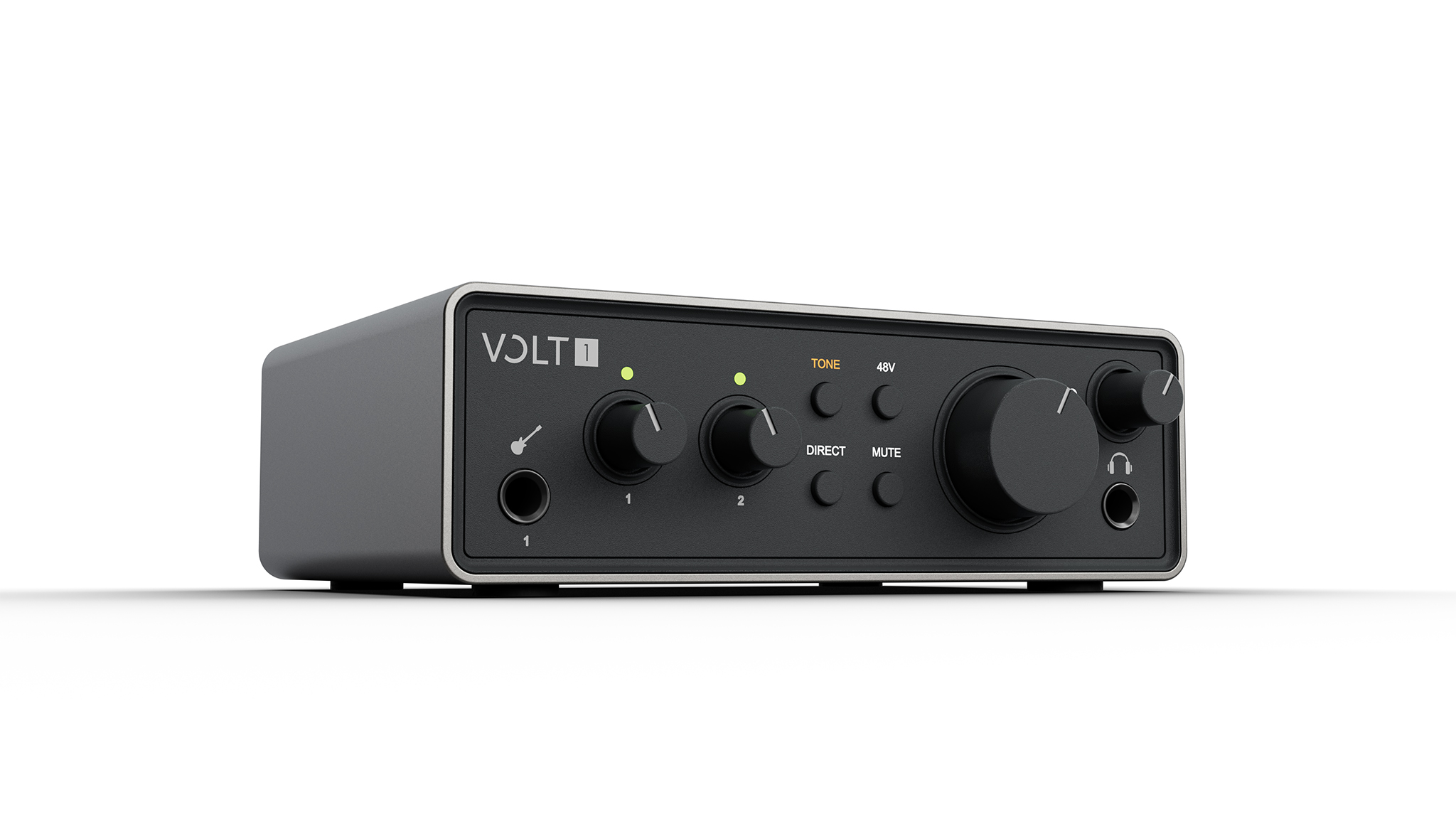
The Universal Audio Volt 1 Gen 2 is a 2-input/2-output USB audio interface designed for home studio musicians who primarily record vocals and a guitar or bass. It combines a mic/line input with a separate Hi-Z instrument input, allowing for the simultaneous recording of both sources. However, its single microphone preamp makes it less suitable for setups requiring two microphones at the same time.
Key Features
- A mic/line input and a Hi-Z instrument input can simultaneously record vocals and guitar on two separate tracks.
- The mic preamp offers 60 dB of gain and three Tone Shaping modes to adjust the character of the signal before recording.
- The audio conversion supports a resolution of up to 32-bit / 192 kHz.
- The Loopback combines physical inputs and computer audio for podcasting, streaming, or content creation.
- USB power simplifies a mobile setup with a compatible computer, iPad, or iPhone.
- A selection of UAD plug-ins, virtual instruments, and the LUNA DAW comes with the interface to get you started with recording and mixing.
Can you record vocals and guitar at the same time?
The Volt 1 Gen 2 features a mic/line input and a separate Hi-Z instrument input. This allows a singer-guitarist to record their microphone and electric or electro-acoustic guitar simultaneously, then process both signals separately in their DAW.
The microphone input provides +48 V phantom power for condenser microphones that require it. However, the interface has only one microphone preamp: to record two microphones simultaneously—for example, a duet, a two-mic interview, or a stereo take—you’ll need an interface with at least two microphone inputs.
What are the three Tone Shaping modes used for?
The 60 dB mic preamp offers three processing options that can be enabled directly on the interface. “Warmth” is inspired by the character of the UA 610 tube preamp, “Focus” by an American transistor console circuit, and “Shine” by a British Class A preamp.
These modes alter the signal’s character right at the input. They’re therefore useful when you want to record directly with a specific tonal color rather than always keeping a neutral signal to apply that processing later in software.
What do you need to work with headphones or speakers?
A headphone output lets you monitor the recording through headphones, while the main stereo output is used to connect a pair of active monitor speakers. The headphones and speakers share the same monitoring mix.
The Volt 1 Gen 2 provides two main audio outputs but no second independent headphone output. It is therefore better suited for a solo recording setup than for a session requiring multiple separate headphone mixes.
Is it suitable for podcasting and streaming?
The Loopback feature captures audio from the computer and combines it with the sources connected to the interface. This makes it easy to record a voiceover with music, sound from an app, or other computer content for a podcast, livestream, or video.
The limitation of having only one microphone preamp still applies in this scenario. A broadcast with two participants, each equipped with an XLR microphone, will require an interface with more microphone inputs.
Can it be used with a computer, iPad, or iPhone?
The Volt 1 Gen 2 is compatible with Mac, Windows, iPad, and iPhone and can be powered directly via USB when the host device provides sufficient power. This makes it a compact solution for recording outside the studio without a dedicated power supply.
On Windows, the ASIO driver is available via UA Connect. Apple devices with a Lightning port require an Apple Lightning to USB Camera Adapter. Depending on the phone or tablet used, the power supplied by the port may be insufficient; in that case, the interface has a dedicated USB input for a 5 V external power supply.
What software is included?
The Volt Studio bundle includes LUNA, Topline Vocal Tune, the UA 610, Teletronix LA-2A, and UA 1176 processing plugins, Pure Plate Reverb, Galaxy Tape Echo, and Oxide Tape Recorder, as well as several UAD instruments and amps. Third-party software rounds out the package, including Melodyne Essential, Plugin Alliance tools, UJAM, Splice INSTRUMENT, and UVI Prisma Producer Lab.
FL Studio Producer Edition is offered as a three-month subscription. The contents of the UAD bundles and third-party offerings are subject to change, so this list should not be considered a definitive selection.
In what situations does the Volt 1 Gen 2 reach its limits?
This interface is best suited for a single-user setup with a microphone and, optionally, an instrument connected directly. It has neither a second microphone preamp nor hardware MIDI input/output, and is therefore not intended for drum recordings, ensembles with multiple musicians, or setups requiring multiple microphones simultaneously.
Lire la suite
Technical sheet
- Inputs / Outputs
- Simultaneous I/O: 2 inputs / 2 outputs
- Microphone preamp: 1
- Preamp gain: 60 dB
- Tone Shaping: Warmth, Focus, and Shine
- Speaker outputs: 1 stereo pair
- Headphone output: 1 stereo output
- USB: USB 2.0
- USB Connector: USB-C
- External Power Input: 5 V DC / 1 A minimum
- Digital/optical connection: no
- MIDI: No
- A/D and D/A conversion
- Digital audio resolution: 32 bits
- Sampling rates: 44.1 kHz, 48 kHz, 88.2 kHz, 96 kHz, 176.4 kHz, 192 kHz
- Power
- USB power: yes
- Power consumption at 5 V DC: 2.4 W (typical)
- Maximum power consumption: 3.6 W
- On/off switch: no
- Analog Inputs and Outputs
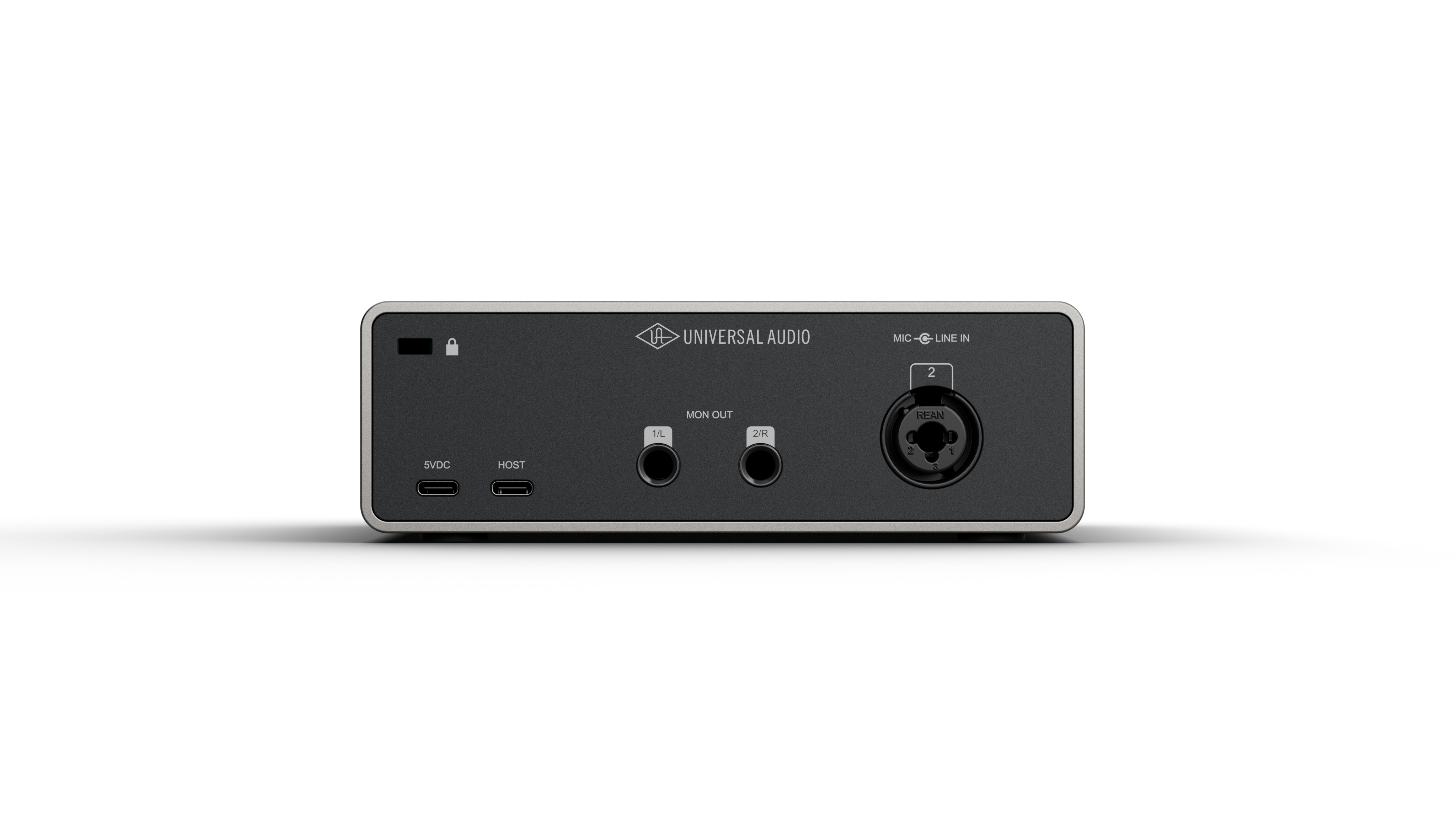
- Instrument input 1
- Frequency response: 20 Hz – 20 kHz, ±0.03 dB
- A-weighted dynamic range: 116 dB
- THD + noise, 1 kHz at -1 dBFS: -101 dB / 0.0009%
- Maximum input level: 12.5 dBu
- Input impedance: 1 MΩ
- Available gain: 60 dB
- Connector: 6.35 mm TS unbalanced jack
- Microphone Input 2
- Frequency response: 20 Hz – 20 kHz, ±0.1 dB
- A-weighted dynamic range: 119 dB
- THD + noise, 1 kHz at -1 dBFS: -108 dB / 0.0004%
- Maximum input level: 14.5 dBu
- Input impedance: 2 kΩ
- Available gain: 60 dB
- Phantom power: Switchable +48 V
- Connector: XLR/jack combo, pin 2 positive
- Line Input 2
- Frequency response: 20 Hz – 20 kHz, ±0.05 dB
- A-weighted dynamic range: 119 dB
- THD + noise, 1 kHz at -1 dBFS: -108 dB / 0.0004%
- Maximum input level: 22 dBu
- Input impedance: 10 kΩ
- Available gain: 60 dB
- Connector: 6.35 mm TRS balanced or TS unbalanced jack
- Speaker outputs
- Frequency response: 20 Hz – 20 kHz, ±0.04 dB
- A-weighted dynamic range: 122 dB
- THD + noise, 1 kHz at -1 dBFS: -111 dB / 0.0003%
- Maximum output level: 20.2 dBu
- Output impedance: 100 Ω
- Connectors: 6.35 mm balanced TRS, DC-coupled
- Headphone output
- Frequency response: 20 Hz – 20 kHz, ±0.1 dB
- A-weighted dynamic range: 121 dB
- THD + noise, 1 kHz at -1 dBFS into 300 Ω: -108 dB / 0.0004%
- Maximum power into 32 Ω: 52 mW
- Maximum power at 300 Ω: 27 mW
- Connector: 6.35 mm unbalanced stereo TRS jack, DC-coupled
- System Requirements
- macOS and Windows
- Available USB 2.0 port or higher
- USB cable included
- Intel, AMD, or Apple Silicon processor
- Windows 10 64-bit or higher
- macOS 12 Monterey or later
- Internet connection required to download software
- iPad and iPhone
- iPadOS / iOS 16 or later
- Apple Lightning to USB adapter required for devices with a Lightning port
- No Lightning adapter required for iPhones and iPads with a USB-C port
- STAN Compatibility
- Compatible with major digital audio workstations, including: Ableton Live, FL Studio, GarageBand, Logic Pro, Pro Tools, LUNA
More specifications
Fewer specifications
Often purchased with Audio Interface
-
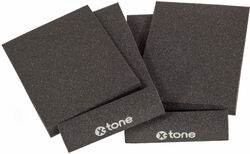
X-TONE
xi 7000 Foam Panele For Studio Speakers
15.00 € -
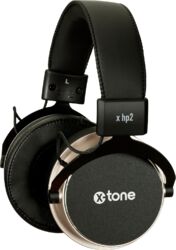
X-TONE
X-HP2
79.00 € -
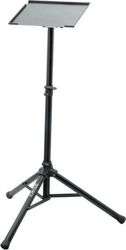
RTX
SPC STAND
55.00 € -
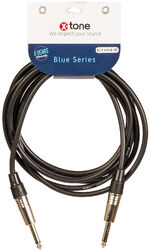
X-TONE
X1005-3M Jack (M) 6,35 / Jack (M) 6,35
10.00 € -
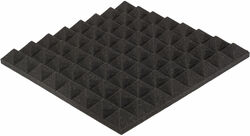
X-TONE
xi 7002 Acoustic Panel
19.00 € -
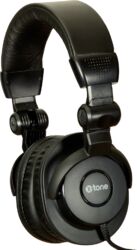
X-TONE
X-HP1
49.00 € -
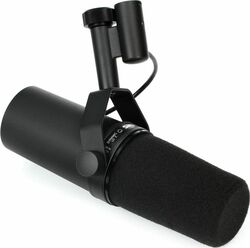
SHURE
SM7B
398.00 € -
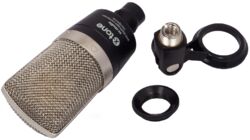
X-TONE
XS-Studio
89.00 € -
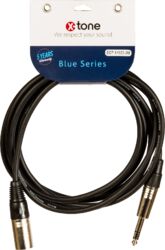
X-TONE
X1023 Jack M Stéréo / XLR M - 3m
10.00 € -
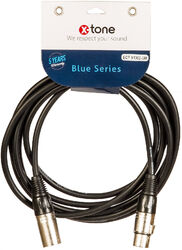
X-TONE
X1002-3M XLR (M) / XLR (F)
10.00 € -
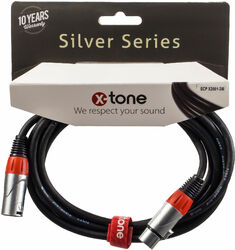
X-TONE
X2001-3M - XLR(M) / XLR(F) SILVER SERIES
16.00 € -
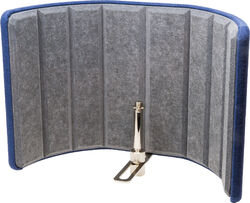
X-TONE
x screen l
169.00 €