Cart
new
Universal audio VOLT 4P MAX
- Read reviews (0)
- Related accessories
- Similar products
- Free delivery
- Low prices guaranteed
- Satisfied or refunded
- 3-years warranty
Pre-order
contact us
Stock in store
Not available in store
INFORM ME OF ITS ENTRY IN STOCK
I want to be notified by email
Go
Payez 158.33 € / mois par carte bancaire
- en 3x4x
- sans frais
- Simuler
-
Apport initial:158.34 €
-
Mensualités:2 x 158.33 €
-
Montant financement:316.66 €
-
Coût financement:0 €
-
Montant total dù:316.66 €
-
TAEG fixe:0 %
Un crédit vous engage et doit être remboursé. Vérifiez vos capacités de remboursement avant de vous engager.
Variation(s) of this product.


The brand Universal audio
Learn more about the Universal audio brand and discover the entire catalog.

Sound card buying guide audio interface
Through this buying guide, you will find all the information you need to make your first audio interface purchase.
Contact an expert
Our musician and enthusiast tele-consultants are here to answer all your questions.
Usb audio interface
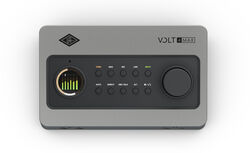
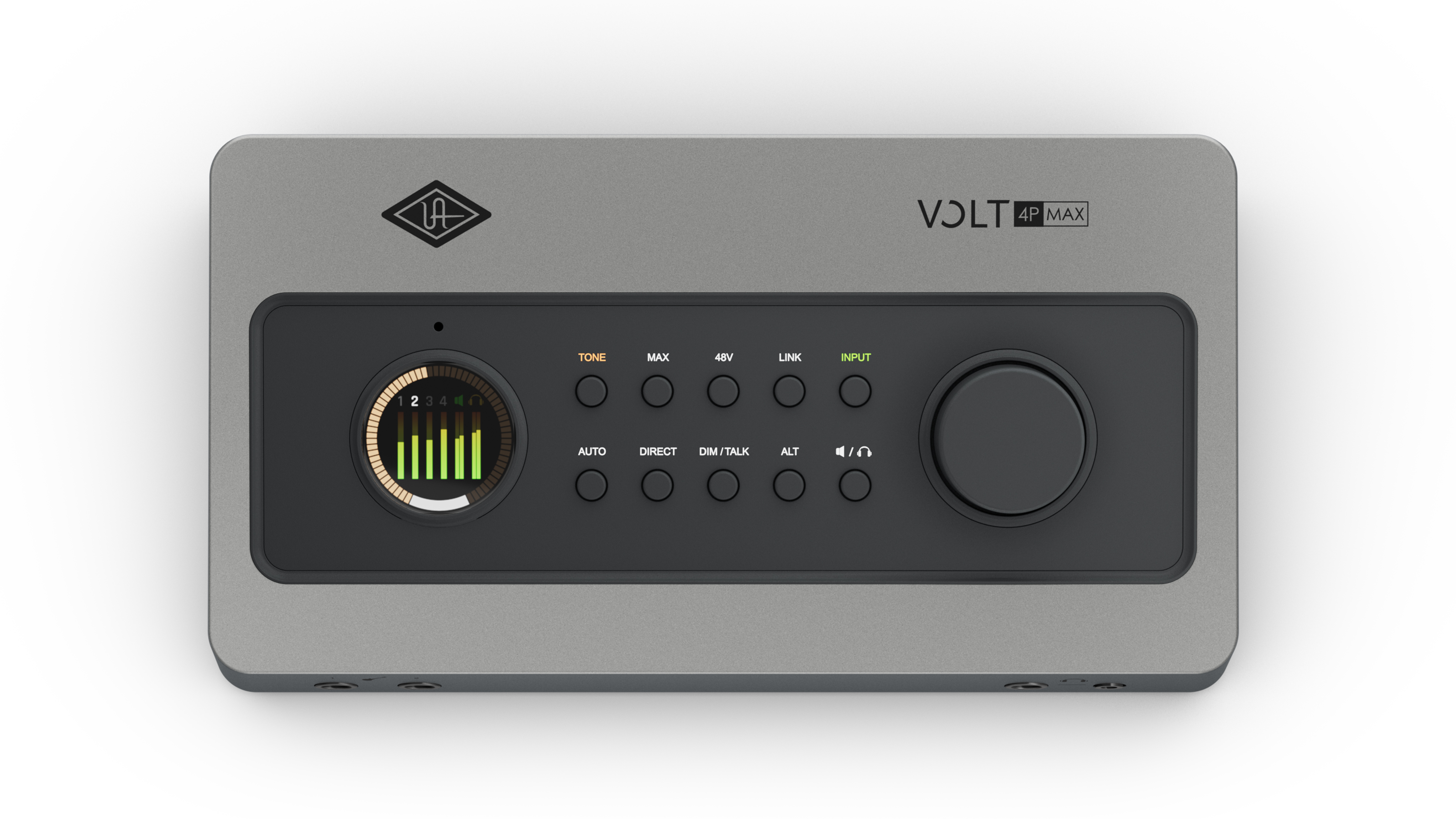
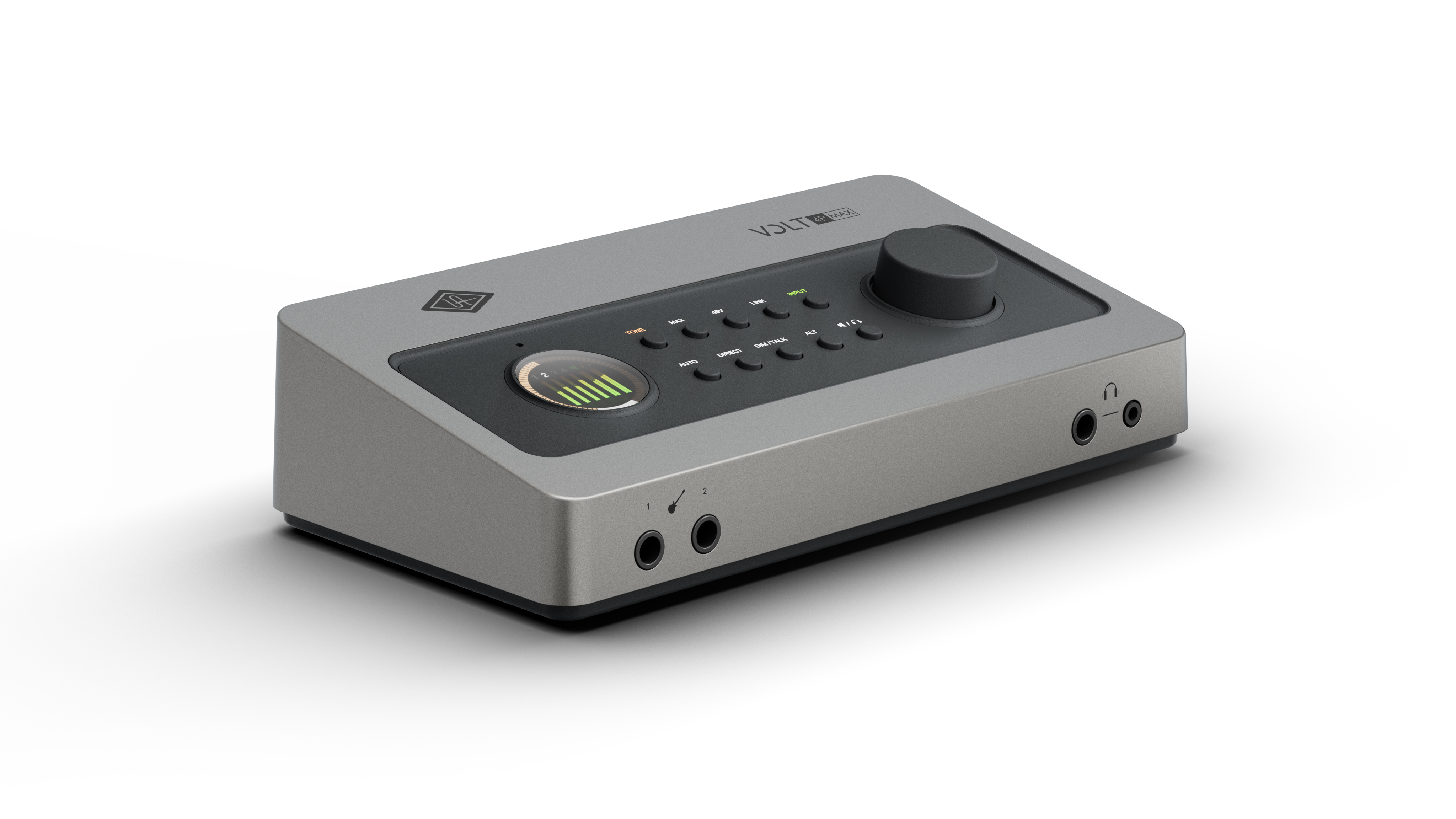
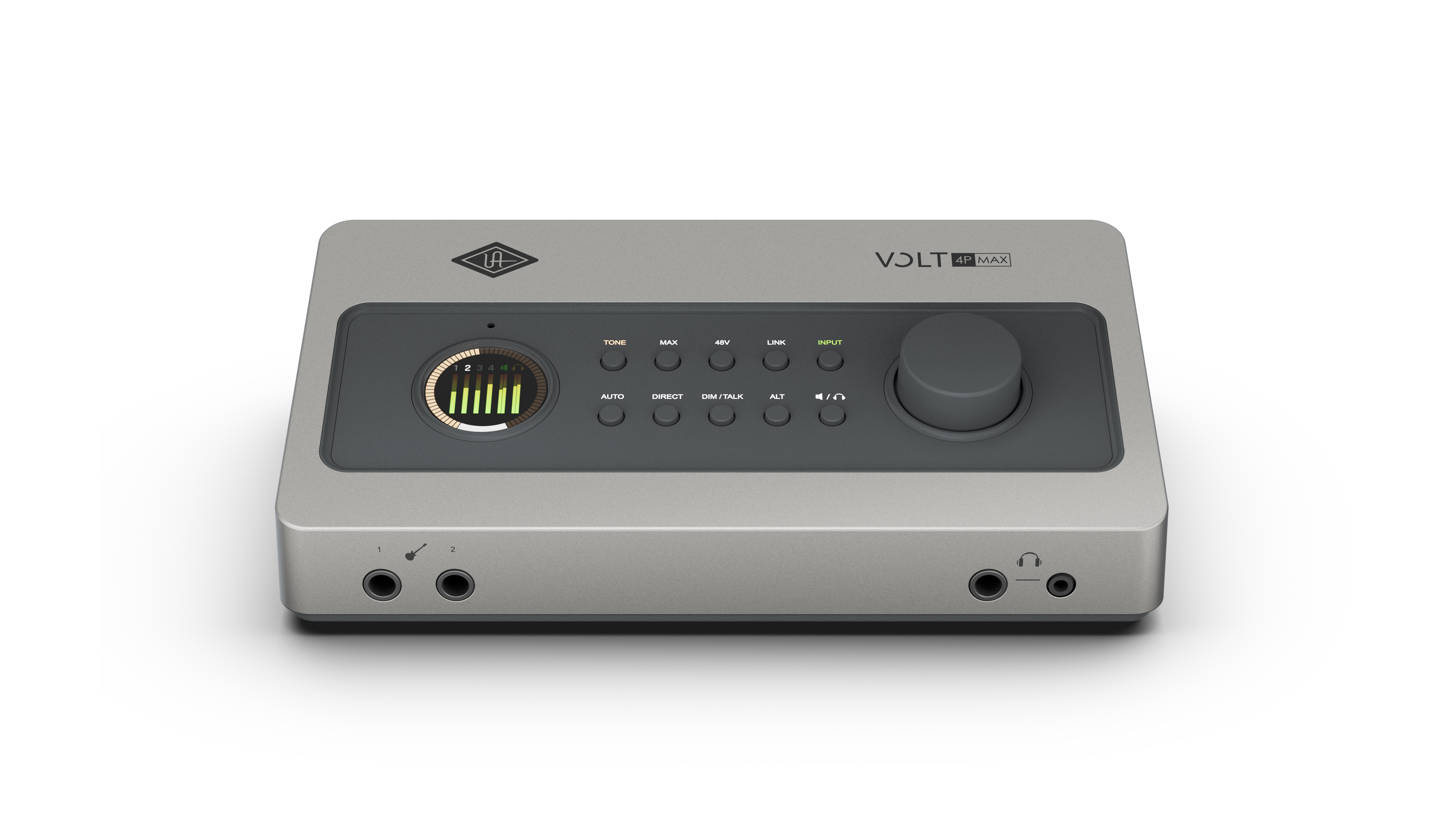
The Universal Audio Volt 4P Max is a 12-input/6-output USB audio interface designed for bands, drummers, producers, and creators who need to record up to four microphones simultaneously. Unlike the Volt 4 Max, each of its four analog inputs features a microphone preamp with Tone Shaping and 60 dB of gain. The ADAT input then allows you to expand the setup when four preamps are no longer sufficient.
Key Features
- Four microphone preamps with independent phantom power allow you to record four microphones simultaneously without an external preamp.
- Each preamp features Warmth, Focus, and Shine modes, as well as Max dynamics processing to shape the signal right from the take.
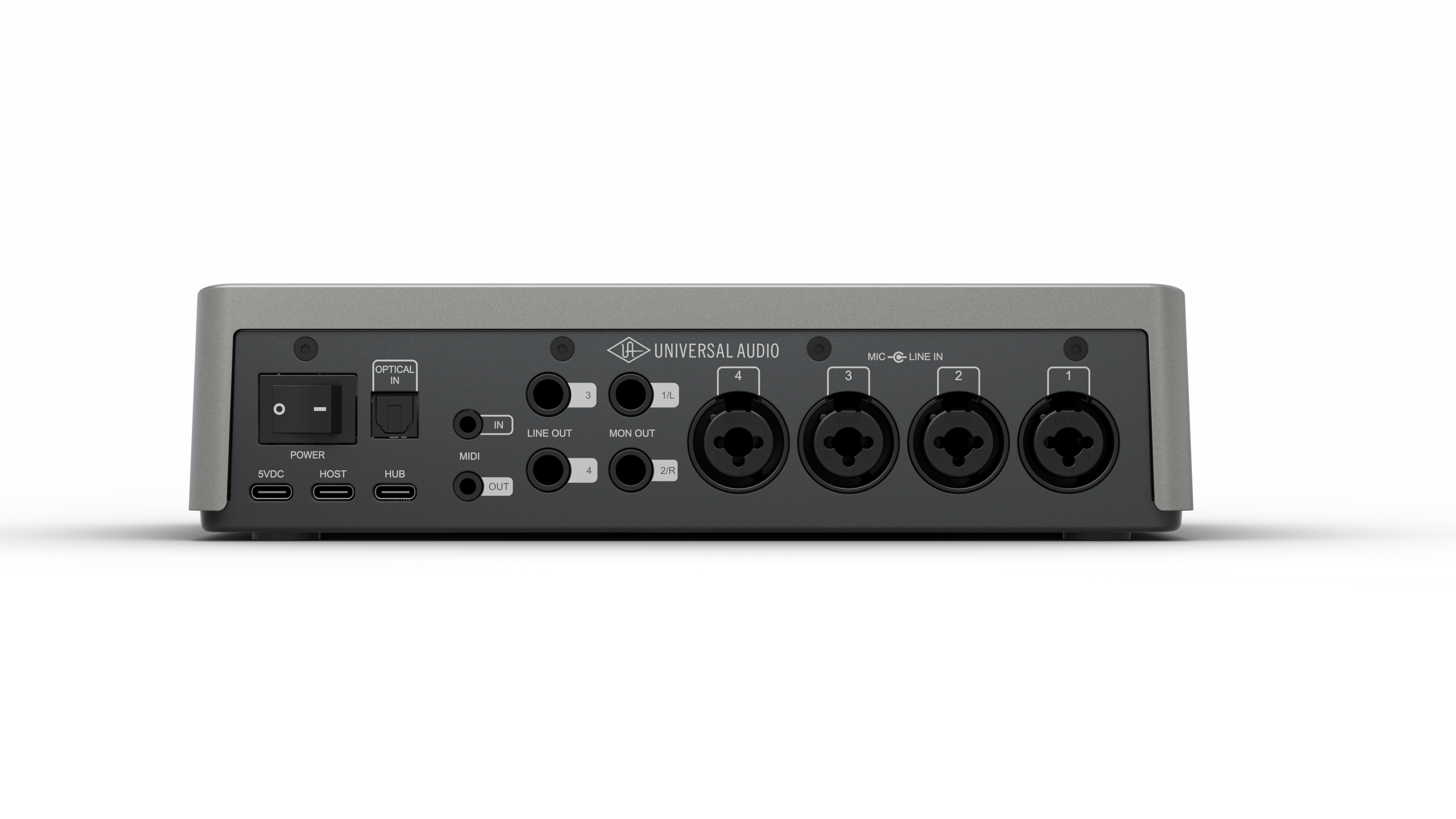
- The ADAT input adds up to 8 digital channels at 44.1 or 48 kHz with a compatible preamp or converter (sold separately).
- Two headphone outputs and a built-in talkback microphone make it easy to work with multiple musicians around the recording station.
- Two pairs of speakers can remain connected and be selected directly from the interface for comparative listening.
- Auto-Gain, clipping protection, and Smart Display speed up the process of adjusting and monitoring multiple inputs.
Can you record four microphones at the same time?
The four analog inputs are mic/line inputs, each equipped with a 60 dB preamp. This allows you to record four vocalists, multiple acoustic instruments, or a drum kit with four microphones on four separate tracks.
The +48 V phantom power can be switched on independently for each channel. This means a condenser microphone requiring this power can be used on one channel without applying the same setting to the other inputs.
Is it suitable for recording a drum kit or a band?
Four preamps are already sufficient for a compact drum setup or for simultaneously recording several band members. If the project requires more microphones, the ADAT input can accept up to eight additional channels at 44.1 or 48 kHz from a compatible multichannel preamp.
The Volt 4P Max can thus handle up to 12 simultaneous inputs, but the eight additional preamps are not built-in. You’ll need to add external ADAT equipment to exceed the four analog inputs available directly.
What are the two Hi-Z instrument inputs used for?
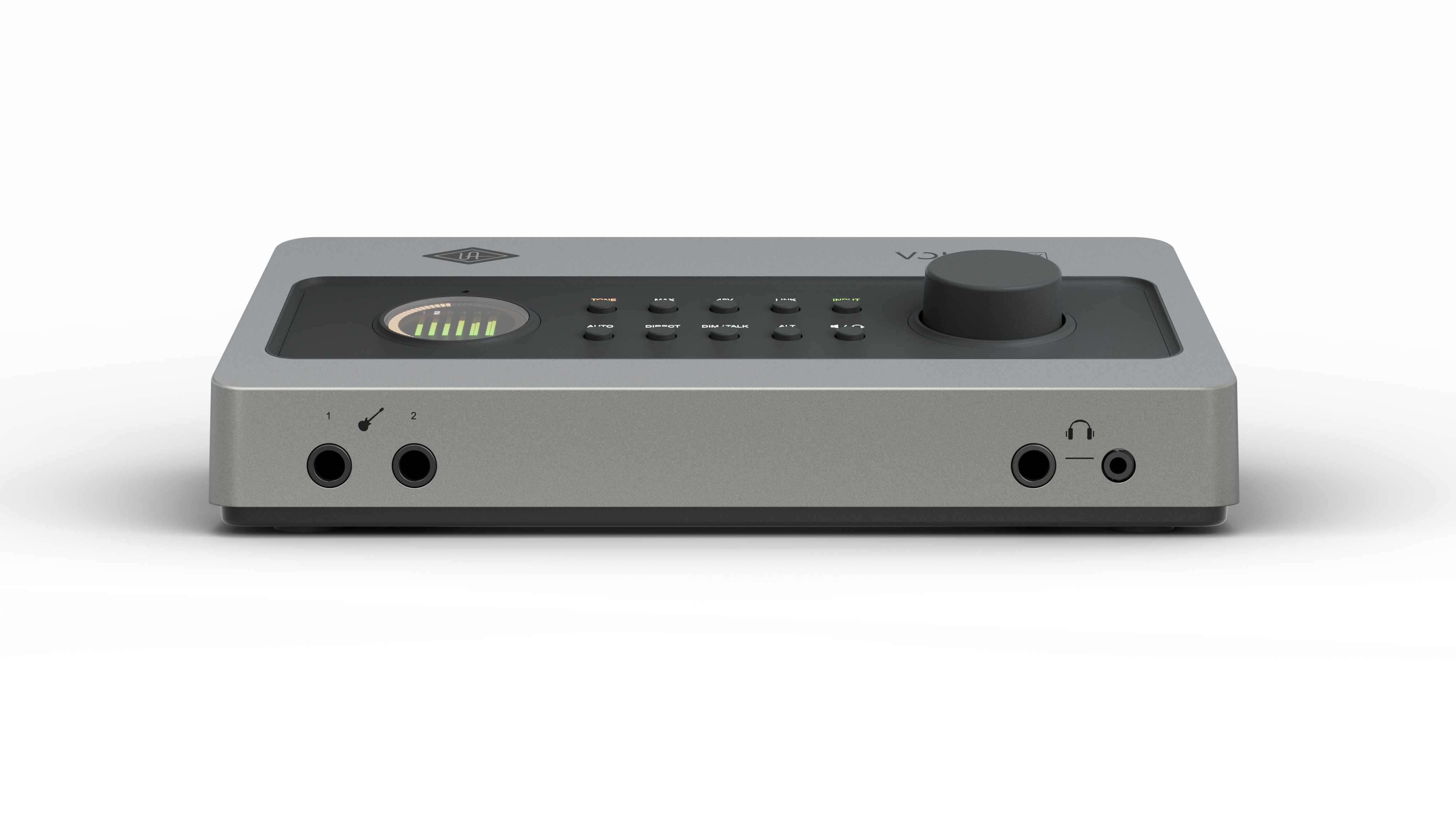
The two Hi-Z inputs on the front panel are used to connect a guitar or bass directly without an external DI box. They correspond to the first two channels and therefore do not count toward the four simultaneous analog inputs.
Channels 3 and 4 can still be used for microphones or line-level signals. For example, a session could include a directly connected guitar, a bass, and two microphones on the other two channels.
What do the Tone Shaping modes and Max processing do?
Each of the four preamps offers three tone-shaping modes. “Warmth” is inspired by a tube circuit, “Focus” by an American transistor-based design, and “Shine” by a British Class A preamp.
Max processing adds six real-time compression presets tailored specifically for vocals, guitars, basses, and drums. They are modeled after several types of studio compressors, including the 1176, LA-2A, and VCA. By combining Tone Shaping and Max, you have access to over 18 processing combinations right at the source.
These processing effects occur before recording. Their settings must therefore be chosen based on the source, since the coloration and compression applied become part of the captured signal.
Is Auto-Gain useful with four preamps?
Auto-Gain automatically adjusts the recording level after analyzing the source. In a session with multiple microphones, it reduces the time needed to set a starting level on each channel.
Clip protection kicks in when unexpected peaks threaten to saturate the input. The color Smart Display complements these functions by providing access to levels, channel settings, and the gain reduction applied by Max.
How does the ADAT expansion work?
The optical input accepts 8 ADAT channels at 44.1 or 48 kHz. In S/MUX mode, it accepts 4 channels at 96 kHz or 2 channels at 192 kHz.
The same connector can operate as an optical S/PDIF to receive two digital channels at the supported sample rates. This is a digital input only: the Volt 4P Max does not have an ADAT output to send its own channels to another device.
Can the two headphone outputs provide two different mixes?
Two people can connect their headphones directly to the Volt 4P Max, eliminating the need for an additional headphone amplifier during a small session. However, both outputs share the same monitor mix.
For a band where each musician needs their own headphone mix, a monitoring solution offering more independent routing options is still necessary.
What are the talkback and the two pairs of speakers used for?
The built-in talkback microphone is used to communicate with performers without using one of the four preamps for a control room microphone. It is especially useful when a musician is recording away from the control room or in a separate room.
Two pairs of stereo speakers can remain connected to the Main and Alt outputs. The built-in switching allows you to quickly switch between monitoring systems without having to rewire the setup.
Can it control synthesizers and MIDI equipment?
The Volt 4P Max features a MIDI input and output on 3.5 mm Type A TRS mini-jacks. These are used to transmit notes, commands, or synchronization information to compatible synthesizers, drum machines, controllers, or sequencers.
MIDI does not carry audio from these devices. To record a synthesizer, its audio outputs must also be connected to the line inputs of the Volt 4P Max.
What is the USB hub used for?
The built-in USB hub accommodates a compatible USB device and provides up to 5 V / 0.5 A. In particular, it can simplify the connection of certain USB MIDI controllers in a setup where the computer’s ports are already occupied.
The device’s power consumption must remain within the available power limit. A separate USB power input is also provided on the interface, and a 5 V / 3 A power supply is included.
Is it suitable for podcasts with multiple guests?
The four preamps allow you to assign a microphone and a separate track to four participants. The Loopback can simultaneously integrate audio from the computer for a remote guest, music, or other software content.
The two headphone outputs remain the main limitation for a four-person broadcast if everyone needs to listen via headphones. In this case, an additional headphone distribution system is required.
What software comes with the Volt 4P Max?
The Volt Studio bundle includes LUNA as well as a selection of UAD effects and instruments, including the UA 610 Tube Preamp & EQ Collection, Century Tube Channel Strip, Teletronix LA-2A, UA 1176, Pure Plate Reverb, Galaxy Tape Echo, Oxide Tape Recorder, PolyMAX Synth, Anthem Analog Synth, and UAD guitar amps.
Third-party software rounds out the package, including Melodyne Essential, Plugin Alliance tools, UJAM Virtual Drummer DEEP, UJAM Virtual Bassist DANDY, Splice INSTRUMENT, and UVI Prisma Producer Lab. FL Studio Producer Edition is included for three months. The contents of software bundles are subject to change.
In what situations does the Volt 4P Max reach its limits?
Its four preamps make it significantly better suited for multi-microphone setups than the other two-preamp Volt Max models, but four microphones may still not be enough for a drum kit recorded with multiple mics or a full band recorded simultaneously. The ADAT expansion addresses this need, at the cost of an additional preamp or converter.
The Volt 4P Max is therefore best suited for a studio that genuinely needs three or four preamps on a daily basis and wants to retain the option to expand to up to 12 inputs. For a musician who almost always records alone with one or two microphones, its four preamps would be less of a deciding factor.
Lire la suite
Technical sheet
- Inputs / Outputs
- Simultaneous I/O: 12 inputs / 6 outputs
- Microphone preamps: 4
- Preamp gain: 60 dB
- Built-in effects: Tone Shaping, harmonic saturation, and Max compressor
- Speaker outputs: 2 stereo pairs, main and alternate, switchable
- Headphone outputs: 2 stereo outputs, common mix
- USB: 1 USB 2.0 host port
- USB hub: 1 port, maximum power supply of 5 V DC / 0.5 A
- External power input: 5 V DC / 2 A minimum
- Included power supply: 5 V DC / 3 A
- USB connector: USB-C
- Digital/Optical Connection: ADAT or S/PDIF input
- MIDI: input and output
- Talkback: built-in microphone
- ADAT / S/PDIF
- ADAT: 8 channels at 44.1 / 48 kHz, 4 S/MUX channels at 96 kHz, 2 S/MUX channels at 192 kHz
- S/PDIF: 2 channels at all supported sample rates
- MIDI
- MIDI input: yes
- MIDI output: yes
- Connectors: 3.5 mm TRS mini-jacks
- Type: MIDI Type A
- A/D and D/A conversion
- Digital audio resolution: 32-bit
- Supported sample rates: 44.1 kHz, 48 kHz, 88.2 kHz, 96 kHz, 176.4 kHz, 192 kHz
- Power
- USB power: yes
- Power consumption at 5 V DC: 6 W (typical)
- Maximum power consumption: 9.1 W
- On/off switch: yes, on the back
- Analog Inputs and Outputs
- Instrument Inputs 1–2: Frequency response: 20 Hz – 20 kHz, ±0.02 dB, A-weighted dynamic range: 116 dB, THD + noise, 1 kHz at -1 dBFS: -108 dB / 0.0004%, Maximum input level: 13 dBu, Input impedance: 1 MΩ, Available gain: 60 dB, digitally controlled, Connectors: 6.35 mm TS unbalanced jack
- Microphone Inputs 1–4: Frequency response: 20 Hz – 20 kHz, ±0.08 dB, A-weighted dynamic range: 119 dB, THD + noise, 1 kHz at -1 dBFS: -108 dB / 0.0004%, Maximum input level: 14 dBu, Input impedance: 2 kΩ, Available gain: 60 dB, digitally controlled, Phantom power: +48 V, switchable per channel, Connectors: XLR/jack combo, pin 2 positive
- Line Inputs 1–4: Frequency response: 20 Hz – 20 kHz, ±0.05 dB, A-weighted dynamic range: 119 dB, THD + noise, 1 kHz at -1 dBFS: -108 dB / 0.0004%, Maximum input level: 22 dBu, Input impedance: 10 kΩ, Available gain: 60 dB, digitally controlled, Connectors: 6.35 mm TRS balanced or TS unbalanced jacks
- Line and speaker outputs 3–4: Frequency response: 20 Hz – 20 kHz, ±0.05 dB, A-weighted dynamic range: 126 dB, THD + noise, 1 kHz at -1 dBFS: 112 dB / 0.0003%, Maximum output level: 20.2 dBu, Output impedance: 200 Ω, Connectors: 6.35 mm TRS balanced or TS unbalanced jack, DC-coupled
- Headphone outputs: Number: 2, Frequency response: 20 Hz – 20 kHz, ±0.08 dB, A-weighted dynamic range: 116 dB, THD + noise, 1 kHz at -1 dBFS into 300 Ω: -103 dB / 0.0007%, Maximum power at 32 Ω: 45 mW, Maximum power at 300 Ω: 24 mW, Connectors: 6.35 mm and 3.5 mm unbalanced stereo TRS, DC-coupled, Headphone mixing: common to both outputs
- System Requirements
- macOS and Windows: Available USB 2.0 or higher port, USB cable included, Intel, AMD, or Apple Silicon processor, Windows 10 64-bit or higher, macOS 12 Monterey or higher, Internet connection required to download software
- iPad and iPhone: iPadOS / iOS 16 or later required; Apple Lightning to USB adapter required for devices with a Lightning port; no Lightning adapter required for iPhones and iPads with a USB-C port
- STAN Compatibility
- Compatible with major digital audio workstations, including: Ableton Live, FL Studio, GarageBand, Logic Pro, Pro Tools, LUNA
More specifications
Fewer specifications
Often purchased with Audio Interface
-
X-TONE
X2001-3M - XLR(M) / XLR(F) SILVER SERIES
16.00 € -
X-TONE
Kashmir
199.00 € -
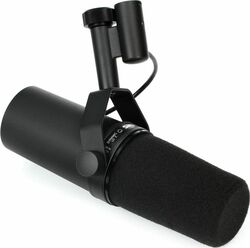
SHURE
SM7B
398.00 € -
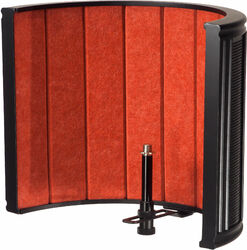
X-TONE
X-Screen Pro
210.00 € -
X-TONE
X1005-3M Jack (M) 6,35 / Jack (M) 6,35
10.00 € -
X-TONE
X1002-3M XLR (M) / XLR (F)
10.00 € -
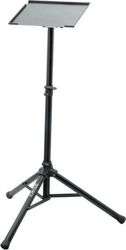
RTX
SPC STAND
55.00 € -
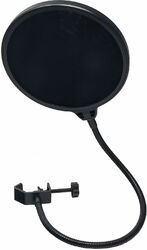
X-TONE
XM 5200 Anti Pop Filter
14.90 € -
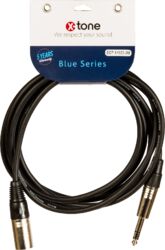
X-TONE
X1023 Jack M Stéréo / XLR M - 3m
10.00 € -
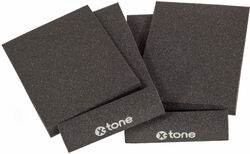
X-TONE
xi 7000 Foam Panele For Studio Speakers
15.00 € -
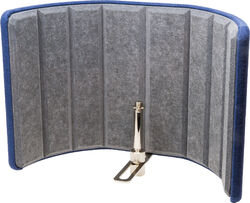
X-TONE
x screen l
169.00 € -
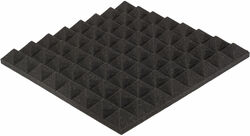
X-TONE
xi 7002 Acoustic Panel
19.00 €